


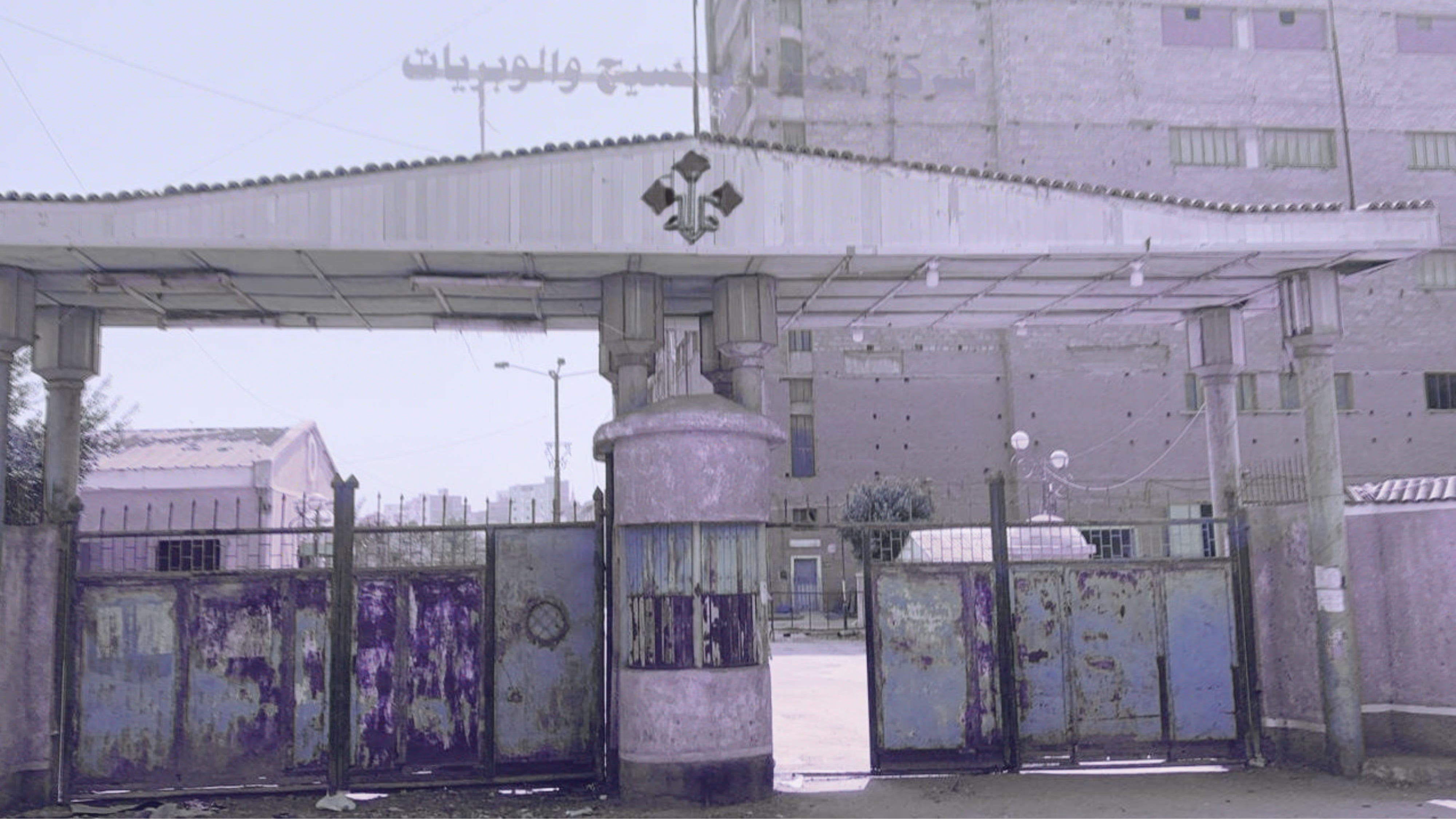
Workers at Samanoud Textiles returned to the factory floor on Wednesday, 8 April, after a two-day strike over unpaid March wages and suspended health insurance. Before production resumed, the company paid 70% of March wages and issued a written notice—guaranteed by the local Labor Office—promising the remaining 30% by Tuesday, 14 April, and pledging to coordinate on workers’ health coverage, saying the issue would be resolved by Saturday, 11 April.
One worker who spoke to The Cairo Report on condition of anonymity said the notice was not much more than a verbal promise in written form.
Last month, I wrote about Samanoud in the broader context of Egypt's labor unrest. This issue of The Cairo Report explores how that story is currently unfolding this month.
Egypt, The New Republic: Economic Recovery & Its Labor Discontent

Samanoud Textiles is perhaps institutionally & structurally the most revealing case because the employer failing its workers is the state itself. The company operates under a hybrid ownership model. Shareholders registered it as a private-sector firm in 2015, yet state and para‑state financial institutions hold approximately 65% of its shares.
In March, a partial strike over delayed wages, suspended health insurance, and a management attempt to add an unpaid hour to the working day spread across the factory as National Security officers appeared on the premises. Management eventually paid February wages on 18 March and promised to fix both problems. March wages were not paid on time, and the insurance was still suspended.
Workers at Samanoud earn 6,100 EGP a month. For months, that salary has arrived in fragments—two or three partial transfers spread over several weeks—while hundreds of workers have been locked out of health insurance since January because the company stopped remitting its payments to the fund, even as it continued deducting contributions from wages. Workers with chronic conditions lost access to their medication. They were paying for coverage they could not use.
None of this is hidden from the state. Samanoud Textiles was legally restructured as a private investment company, but the National Investment Bank still holds the majority of its shares, and the Ministry of Planning and Economic Development, which oversees that bank, is responsible for making sure the company abides by the national minimum wage, which Samanoud does not pay. Workers and labor rights groups have directed their demands upward at those institutions for months. The state has not responded.
There is also no functioning union at the factory, and attempts to revive Samanoud’s union have been blocked. Without one, the strike has become the only available means of collecting wages—not an exceptional act but a monthly routine. That is why workers walked out again this month.
On Monday, 6 April, workers in the weaving and clothing sections launched an all-out strike, and production in both sections stopped almost completely. Management tried to contain the action by offering a partial payment. The first offer was to pay 40% of wages immediately, before raising that offer to 50% of their wages. Initially, workers rejected both and insisted on full payment for everyone at once. By the end of Monday’s first shift, the company had transferred 50% of March wages, but workers stayed out anyway.
The main confrontation came on Tuesday, 7 April. According to reports, a company security guard blocked women from the clothing department from joining protesting colleagues in the factory yard and shoved one of them in the chest, causing her to lose consciousness. Her co-workers took her to Samanoud General Hospital. A second worker said the guard was known for mistreating workers and was quickly removed from the scene by colleagues.
Later during the day, workers on the 3 p.m. shift operated the machines for only two to three hours before stopping, while female workers did not run their machines at all during that shift. Board chairman Saad Abd Rabbo then told workers to accept an installment plan or face a three-month closure order, where they would only earn half their wages. He presented a schedule for March wages—The remaining 50% would be paid in two installments, 20% on Wednesday, and 30% the following Tuesday—and announced that from May onward, salaries would be split between the 1st and the 12th of each month. Workers who rejected the half-wage offer were told to leave the premises, which workers read as a threat of dismissal.
By the end of the work week, workers had extracted what they extracted through collective action. But the settlement was always going to be tested by one question: would insurance actually work again?
By Saturday, the answer was no. A source who spoke to The Cairo Report said two workers in production went to the hospital that day and found that insurance was still suspended, and will remain suspended until the company pays its arrears of EGP 15 million. The company had promised that workers would be able to get their medical needs met by Saturday. That deadline passed.
As has been the usual case at Samanoud Textiles for months, the company found enough money and enough language to get the machines running again. The deeper problem stayed where it was, as workers had expected. The arrears to the insurance system have not been cleared. Workers are still outside the system, and a written notice did not change that.
A promise to arrange treatment for a few days is not the same as restored coverage. While one gets a worker through the weekend, the other restores a right, Samanoud’s workers were denied both.
So far, April is ending the same way March did, which is the same way February ended. With no union to represent workers and ensure they get their rights and no state institution prepared to treat ownership as accountability, there is little reason to expect the next month to be different.