



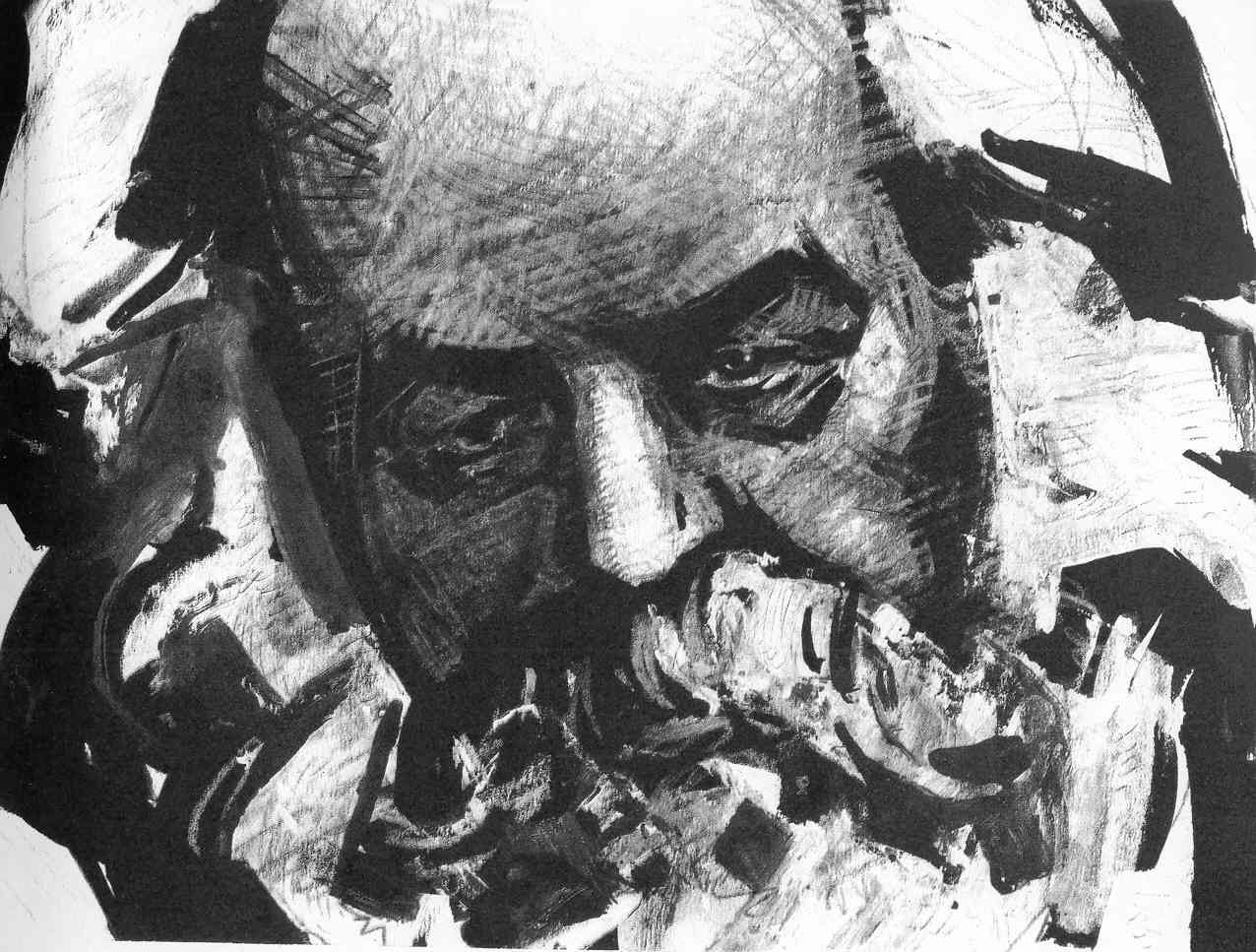
Several years ago, I took part in a study group in Cairo dedicated to reading the first volume of Karl Marx’s magnum opus, Capital.
The first question that occupied those of us embarking on this endeavor was: “Why?”
Why should we read a massive tome published 150 years ago—even if it was written by a major thinker like Karl Marx? Has the world not changed significantly since the nineteenth century? Was Marx not a German thinker writing from London; why should we, living in Cairo in the twenty-first century, read his work?
In this essay, I try to provide some answers to these questions; answers that ultimately convinced us to undertake this challenging task. We will then examine several key ideas from the book, specifically in relation to the Egyptian context.
Naturally, given the limited space, I cannot offer a comprehensive overview of this monumental work: a book that is significant not only for its sheer size but also for the richness and complexity of the ideas it holds.
My goal here is simply to present a few of the book’s central theses and explore the questions they raise regarding the reality in Egypt, in the hope of sparking your curiosity, reader, to delve into the book itself.
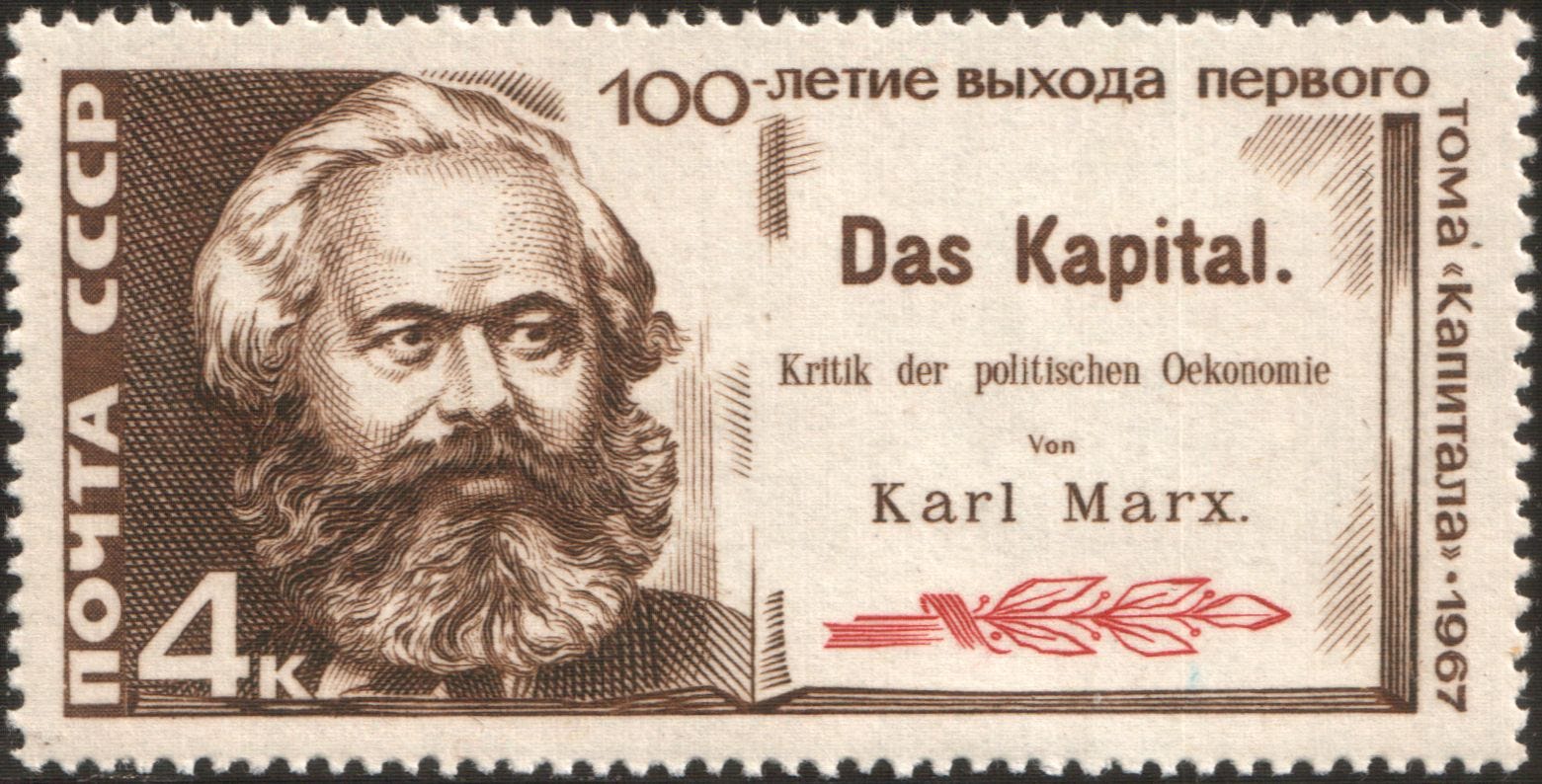
The first volume of Capital was published in 1867; it is the only part of the Capital project to appear during Marx’s lifetime. The second and third volumes were published posthumously, having been revised and edited by his political associate and lifelong friend, Friedrich Engels.
These three volumes were part of a vast project that Marx was unable to complete. He had planned further volumes covering the state, the working class, the world market, and methodology, but none of these were ever written.
In addition to the second and third volumes, other manuscripts published after his death include the three-volume Theories of Surplus Value and the Grundrisse (Foundations of the Critique of Political Economy), which served as an initial draft for Capital.
Thus, while the first volume is substantial in its own right, it represents only the first part of a much larger project that Marx could not fully realize. Nevertheless, it contains a crystallization of his ideas and theoretical contributions, a synthesis difficult to find in any of his other works.
Perhaps one indicator of Capital’s significance, especially for those who identify as “Marxists”, is the flood of books that present or explain its first volume.
In recent years, for instance, several prominent contemporary Marxists have published new works on Capital.
David Harvey, arguably the most important living Marxist thinker, released a book titled Marx, Capital, and the Madness of Economic Reason; Fredric Jameson, the foremost contemporary Marxist literary and cultural critic, published Representing Capital: A Reading of Volume One; and Alex Callinicos—a Marxist thinker with numerous political and philosophical works to his name—authored a book titled Deciphering Capital.
Capital sparked extensive debate among Marxist thinkers throughout the twentieth century.
On one hand, there is the structuralist school of Louis Althusser, which posits that Marx’s body of work is divided into two fundamental phases: an early period, during which Marx was under the influence of idealist philosophy, specifically that of Hegel, and a mature period, in which he produced Capital as a scientific work, free from the vestiges of Hegelian idealism.
On the other hand, there is a second school, which became a target of criticism by Althusser and other structuralist Marxists, that includes figures such as Georg Lukács and Antonio Gramsci.
This school maintains that there is a close connection between Marx’s early, more philosophical writings and his later works, including Capital. From this perspective, the dialectical method, which Marx critically appropriated from Hegel, as well as concepts such as alienation, separation, and mediation, are essential elements within Capital. Indeed, as Lenin once remarked—perhaps with some degree of hyperbole—it is difficult to understand Capital without first understanding Hegel.
However, there are clear differences in style and method between Marx’s historical and political works and Capital.
In Capital, Marx begins with the abstract, arriving at the concrete through a dialectical interplay. In his historical and political writings, by contrast, he engages directly with concrete political and social struggles, including all the individual and cultural influences specific to the historical moment under discussion.
It is important to keep this in mind when reading Capital.
When Marx describes a world consisting solely of capitalists and workers, he is employing a form of abstraction to facilitate his analysis; this is not, as some might assume, an instance of reductive oversimplification. He does not disregard the details of concrete reality—with its various classes, social groups, and individuals—as is evident in his historical writings; rather, he abstracts from that reality in order to articulate his theory.
Perhaps what distinguishes this book is also what makes it somewhat difficult to read.
It represents a synthesis of three distinct worlds: the world of 17th- and 18th-century political economy, which the book sets out to critique; the world of German philosophy—specifically that of Hegel—upon which the book’s methodology of research and presentation is built; and the world of the French “utopian” socialist schools that emerged in the first half of the 19th century, alongside the nascent labor movements.
Some attribute this unprecedented blend to the evolution of Marx’s own life: from a Hegelian philosophy student in Germany to a revolutionary refugee in France, and finally to a researcher of political economy at the British Library in London.
Yet, the matter is more complex, and far more compelling, than that.
Above all, Karl Marx was a revolutionary.
He sought to dismantle capitalism and build socialism upon its ruins.
He recognized early on the centrality of the working class to this political project.
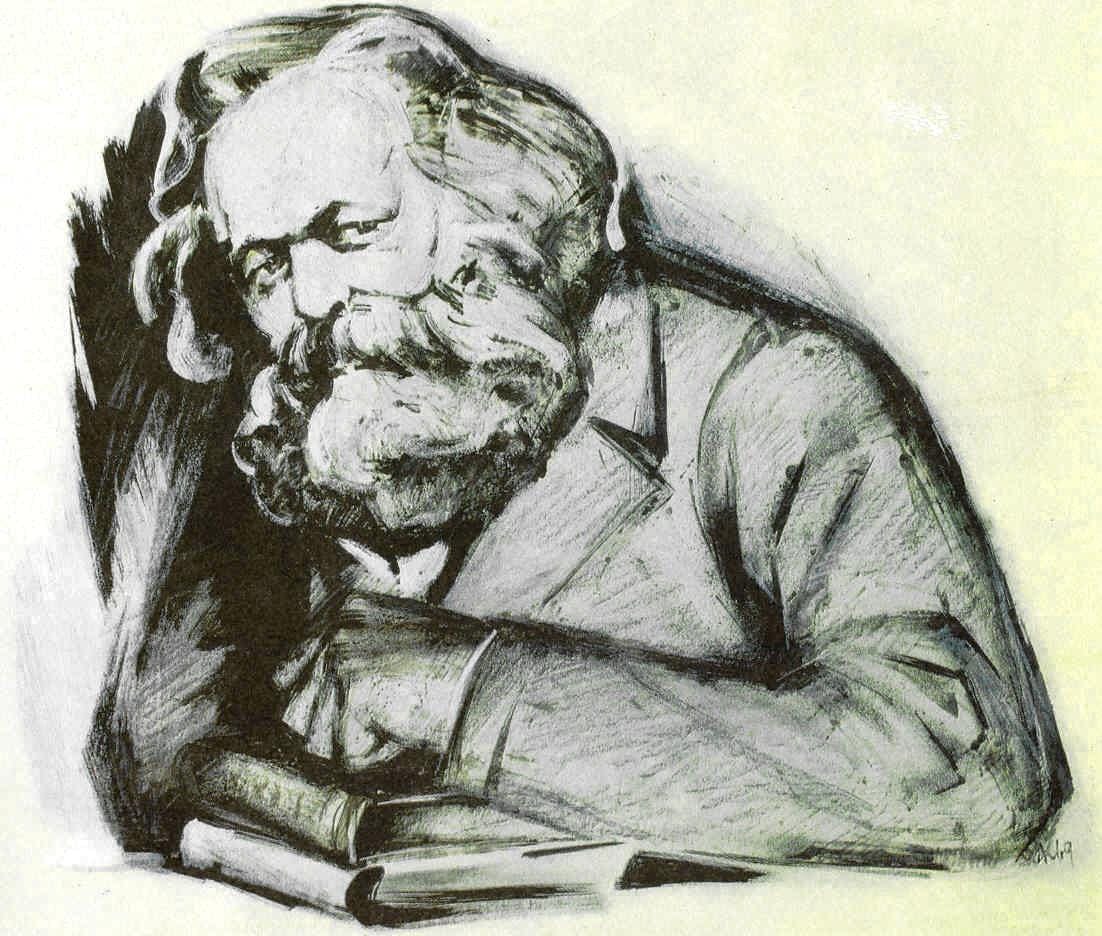
However, the socialist movements, particularly in France, were utopian, lacking a rigorous, scientific critique of the very capitalism they aimed to transcend. Meanwhile, political economy, as a bourgeois discipline, served to justify capitalism. Or, at the very least, it remained unable to transcend its theoretical boundaries, even while it laid the scientific foundations (notably through thinkers like Adam Smith and David Ricardo) for understanding the mechanisms of a capitalist economy.
Thus, Karl Marx sought to critique capitalism and expose its internal contradictions through a dialectical method in service of the project for a socialist revolution.
To those who assume that Capital is a dull, dry economic treatise, I say they are profoundly mistaken.
Beyond the dialectical method Marx employs in his analysis and presentation, the book is rich with metaphors and literary or philosophical symbols drawn from ancient Greek heritage, Aristotelian philosophy, and world literature. References to Shakespeare’s plays, Dante’s poetry, and Balzac’s novels appear throughout the chapters, imbuing the text with a literary dimension that renders it, in its own right, a work of literature.
But why should we read this book in Cairo? Are we not part of the “Third World”, or what is known today as the “Global South”? How can we derive value from a European theory that emerged in the context of attempting to understand a specifically European phenomenon: industrial capitalism? And where, in all of this, do our own unique cultural and historical particularities lie?
When Marx wrote Capital, industrial capitalism was essentially confined to a few countries in Western Europe and the northern United States. In contrast, nations in the “Global South”, such as Egypt, India, China, Brazil, and Mexico, were predominantly agrarian, with peasants making up more than 95% of their populations; a working class and a modern capitalist sphere of production had yet to emerge in these regions.
Even then, however, capitalism had begun to tether these countries to its modern industrial centers, transforming them into sources of raw materials via farms and mines, while serving as markets for its manufactured goods.
Today, capitalist industry has shifted to these very nations; China, for instance, has become the “workshop of the world”, a title once held by Britain in the nineteenth century.
The capitalist mode of production has permeated every corner of the globe, from South Africa to Siberia, and from Chile to Vietnam. While every nation and region possesses its own unique cultural and historical specificities, there is no doubt that the capitalist mode of production—the very system Karl Marx set out to decipher—now dominates our contemporary world, with all its diverse cultures, religions, peoples, and nationalities.
What follows is a brief, and inevitably reductive, overview of some of the core ideas presented in Capital. These concepts raise significant questions regarding our own reality and the history of Egypt. As noted above, the intention here is not to provide an exhaustive exposition of these ideas, but rather to offer a glimpse that might pique the curiosity of the reader in Cairo.
Many readers often fail to progress beyond the first part of the book, “Commodities and Money.” The shock of the dialectical method, the high level of abstraction, and the book’s unconventional opening present significant challenges. Marx begins with the commodity, which seems, at first glance, to be a simple and concrete starting point, but he quickly complicates matters by introducing the contradiction between a commodity’s use-value and its exchange-value. Every commodity possesses a specific use-value that distinguishes it from others.
While these differences between commodities form the basis for exchange, the very possibility of exchange implies that all commodities share something in common. Through a long series of examples, Marx arrives at several conclusions: first, that what all commodities share is the “socially necessary labor time” expended in their production, which constitutes the true “value” of a commodity.
Second, labor itself, like commodity, has a dual nature: on one hand, it is concrete, specific labor (such as spinning, weaving, or carpentry); on the other, it is abstract labor (as the socially necessary labor time serves to unify and equate these various forms of work).
Third, through a long and complex historical evolution, money has emerged both as a measure of this value and as a medium for the circulation of commodities (a dual role that inherently involves a dialectical contradiction).
Fourth, Marx introduces a concept that has become, regardless of whether one agrees or disagrees with it, one of the most significant ideas in Marxist theory: the “fetishism” of commodities.
We do not perceive the labor expended in the production of a commodity; instead, we interact only with its price in relation to other commodities.
In a supermarket, for instance, goods are displayed in long rows; yet, we do not see the labor that constitutes their true value, only a series of prices. We see the price of tea, but we do not see the farmer who grew it, the worker who packaged it, or the driver, the dockworker, and the ship crew who transported it until it finally reached the supermarket shelf.
What does this do to human consciousness? In a society characterized by generalized commodity production, the relationship between objects–commodities appears as a social relationship, while the relationship between the human beings who produce them appears as a relationship between commodities–objects.
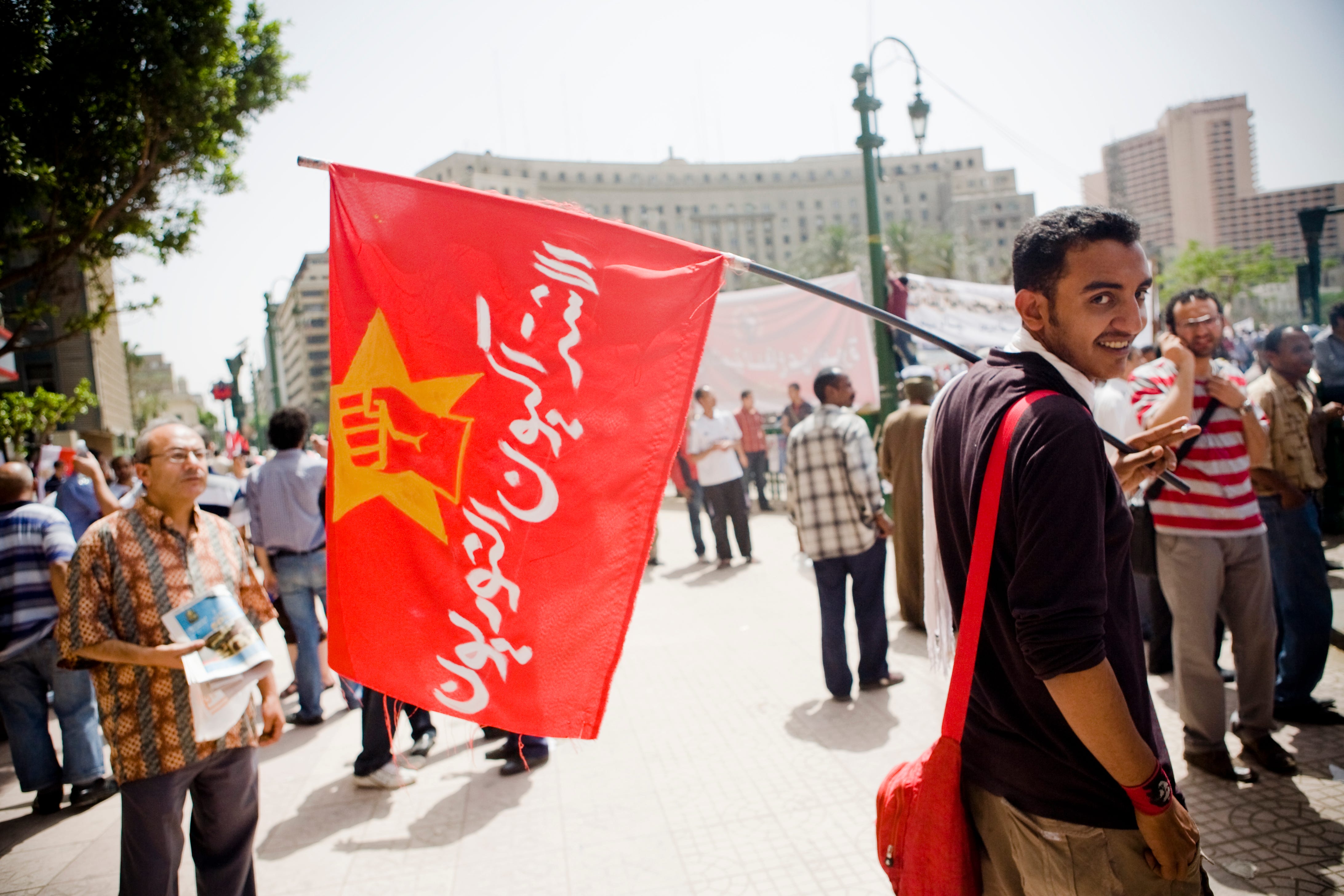
What about us, the people of Cairo? Do we live in a society dominated by commodity production? Let us look around: at the clothes we wear, the food we eat, the homes we inhabit, the books and newspapers we read, the mobile phones that connect us to others; indeed, at everything we use or benefit from.
In Cairo, everything is a commodity—save, perhaps, for the polluted air we breathe.
But what does this mean for our consciousness? We hear a great deal about the rise in religiosity and the dominance of conservative religious ideas over the last fifty years, as well as about a conflict between religious and “secular” ideologies.
Yet, what of the transformations in our immediate lives brought about by capitalist development? What of the way the commodity form permeates life in this city? Even the Quran that a devout person reads is a commodity; its paper, ink, and binding are all commodities. Though the content and the meaning of the words may be spiritual in nature, the form that mediates between us and those words is a capitalist commodity.
What is the relationship between form and content? Can the state of religion in Egypt be examined without linking it to the development of capitalism and the changes it has wrought, and continues to bring about, in our daily lives?
In the next three sections (the second through the fourth), Marx takes us from the realm of critique to the realm of capital, and from the world of the market to the world of production: the capitalist invests in the means of production and labor power to create commodities, which are then sold on the market to generate profit.
But where does this profit come from? Here, Marx introduces his renowned theory regarding exploitation and the extraction of surplus value.
The means of production, that is, the tools and raw materials, are “dead labor”; meaning they embody labor performed in the past. It is only through the interaction of labor power, what Marx refers to as “living labor”, that the means of production are brought to life, and through the production process, new value is created.
The value of dead labor is transferred to the new commodity without any increase. Living labor, however, is a unique kind of commodity: the wage a capitalist pays a worker is not determined by what the worker produces, but by what the worker requires to reproduce themselves, which is the value of the goods necessary for the worker’s subsistence (food, clothing, housing, the needs of their family, etc.).
Yet, the number of hours a worker must labor to produce the equivalent of these goods is less than the total number of hours they actually work for the capitalist during a given workday. The difference between these two values is the source of “surplus value,” and consequently, profit.
The longer the working hours, the greater the surplus. However, there are biological and social limits to the length of a workday, and the history of labor movements is, in large part, a history of efforts to curtail these hours. Thus, this method of increasing surplus value, which Marx calls “absolute surplus value”, eventually hits a ceiling, compelling the capitalist to seek other means.
But why is the capitalist not content with the profit already earned? Why do they constantly strive to increase surplus value? Is it merely greed? Marx argues that the true driver is competitive pressure. A capitalist must sell their goods in a market where they are not the only player; if they fail to produce goods that are competitive in terms of price and quality, they will soon be driven out of the market and into the abyss of bankruptcy.
And so the capitalist resorts to another method for increasing surplus value: developing the production process to enhance worker productivity. This widens the gap between the labor time necessary for the worker’s reproduction (and, consequently, their wages) and the total length of the workday.
This development occurs on two levels: the organizational level by reorganizing the division of labor to boost the efficiency of the production process, and the technical level by advancing production technology, particularly through mechanization. Marx terms this “relative surplus value.”
Whenever a capitalist improves their production process through a technological shift that boosts the productivity of their workers, they temporarily benefit from a higher rate of exploitation—and, by extension, a greater surplus value.
However, such technological advancements soon spread throughout the industry as a whole; the temporary relative advantage enjoyed by the individual capitalist vanishes, and the pressure to pursue further developments to increase productivity returns. This is the source of the perpetual technological dynamism inherent in the capitalist mode of production.
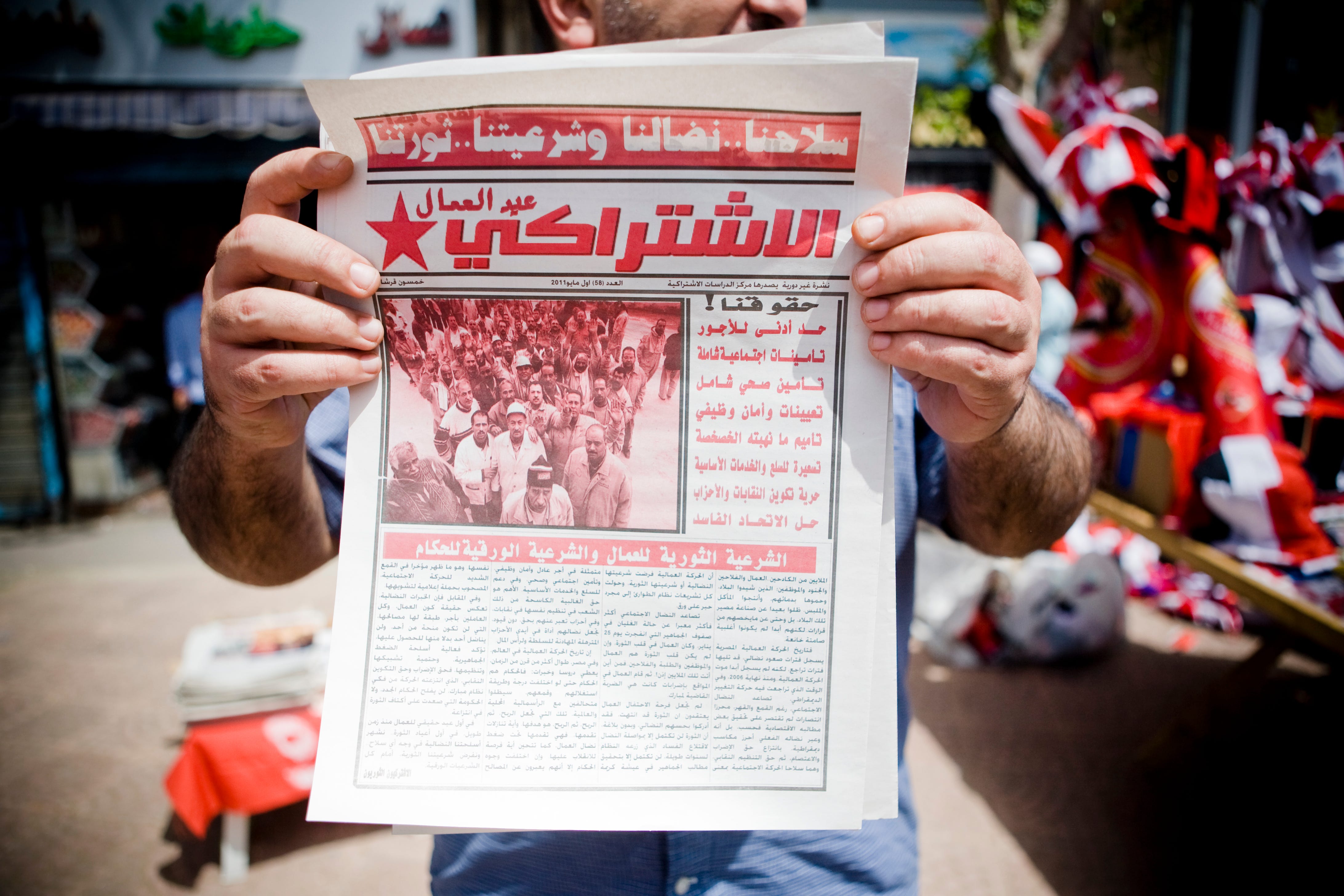
Marx’s analysis yields several conclusions that remain relevant to us in twenty-first-century Cairo.
First, the rate of exploitation can rise even when wages increase; as productivity grows through mechanization, surplus value expands at a rate far greater and faster than any rise in wages. Furthermore, a reduction in the production costs of the goods consumed by workers enables capitalists to lower wages, or, at the very least, to keep them stagnant for longer periods.
Since the era of Gamal Abdel Nasser in the 1960s, state media has consistently highlighted the support the government provides to the poor and those with limited incomes, namely workers and employees, by making housing, clothing, and food available at nominal prices.
However, if Marx’s analysis of the relationship between wages and the value of the basket of goods required for workers to reproduce their own labor power is correct, then any reduction in the prices of these goods effectively lowers the wages paid by capitalists.
This, in turn, increases surplus value, and consequently, profit. In other words, the state-provided subsidies were not an act of partiality toward workers, but an incentive for capitalism.
Today, the removal of these subsidies without a corresponding increase in wages is not merely a form of organized plunder; it is also an unsustainable policy. This is true not only because it will inevitably be met with resistance from the working class, but also because the capitalist system itself relies on a working class capable of reproducing its own labor power through its wages.
Furthermore, as we have seen, surplus value, whether absolute or relative, is generated exclusively through the exploitation of workers within the capitalist production process. Yet, since the 1960s, the dominant economic theory among the Egyptian Left—dependency theory (associated with figures such as Samir Amin, Andre Gunder Frank, and Immanuel Wallerstein)—has posited a framework in which surplus value is extracted from developing nations (the “periphery”) for the benefit of industrialized nations (the “core”) through what is termed “unequal exchange.”
According to this school of thought, workers in industrialized nations even benefit from the “super exploitation” of workers in the developing world. Thus, exploitation shifts from a social relation within capitalist production to a national relation between the countries of the “First” and “Third” worlds.
Furthermore, the class struggle between global capitalism and the global working class transforms, from the perspective of the Third World, into a national conflict, aligning the worker in industrialized nations with the capitalists of their own country, in opposition to a bloc consisting of both capitalists and workers in developing nations.
In the seventh part of the book, “The Process of Capital Accumulation,” Marx crystallizes many of the theses presented in the preceding sections.
A capitalist begins the production process by purchasing labor power and the means of production, oversees the manufacturing of commodities, and subsequently sells them on the market. The capital recovered from these sales must, by necessity, exceed the initial investment; this surplus is “surplus value.”
Competitive pressure compels the capitalist to reinvest the greater portion of this surplus value into the expansion and development of their factory or firm; a cycle of “accumulation for the sake of accumulation” and “profit for the sake of profit.” Consequently, the scale of investment in each successive production cycle grows, leading to an increase in the total volume of capital and greater investment in mechanization and technology.
Investing in technology and mechanization enhances labor productivity, which in turn renders large numbers of workers redundant, thereby swelling the ranks of the unemployed. Yet, capitalism as a whole requires a high degree of flexibility within the labor market.
While technological leaps generate unemployment, periods of economic recovery and rapid growth necessitate the swift absorption of the available labor force; conversely, downturns and depressions lead to fresh spikes in unemployment.
In short, as a system, capitalism perpetually requires a segment of the population to remain unemployed.
Marx writes about three types of unemployment. “Floating” unemployment consists of that segment of the labor market not currently employed but actively seeking work or transitioning between jobs. “Latent” unemployment encompasses sectors of the population that could be drawn into the workforce, such as peasants, non-working women, or inhabitants of colonies and former colonies. Finally, “stagnant” unemployment refers to those sectors that remain permanently on the margins of the labor market without ever truly becoming part of it, exemplified by the urban poor and street children.
Thus, when we speak of a “surplus” population, we are, in reality, describing the “reserve army of labor”, which is a necessary component for fueling the capitalist machine.
When Egypt’s population reached 100 million, President Abdel-Fattah El-Sisi framed the “overpopulation crisis” as a primary obstacle to the country’s development. Yet, the ousted Mubarak delivered the same narrative when the population surpassed 80 million; so did Sadat when it crossed 40 million; and Nasser when it exceeded 30 million.
Clearly, the “overpopulation crisis” is a cornerstone of the Egyptian state’s discourse.
The argument goes that we suffer from poverty because the poor have too many children, implying that the poor are the architects of their own destitution, as well as the cause of stalled development.
Naturally, this ideological narrative absolves both the state and capitalism of any responsibility.
Such ideas date back to the eighteenth century and were theorized by Robert Malthus, a prominent right-wing economist whom Marx famously referred to as “that ape Malthus.”
In Egypt, as is the case in many developing countries, the reserve army of labor does not merely serve the needs of Egyptian capitalism by driving down wages and intensifying the labor of those who are employed, or by acting as a reserve for periods of economic upturn and increased demand for labor; it also serves the global market.
In the Egyptian context, for instance, the reserve army of labor became a significant source of the workforce for the Gulf region and Libya during the oil boom. A similar dynamic can be observed in the cases of Turkish labor in Germany, Indian labor in Britain, and North African labor in France during the major economic expansion that followed the Second World War.
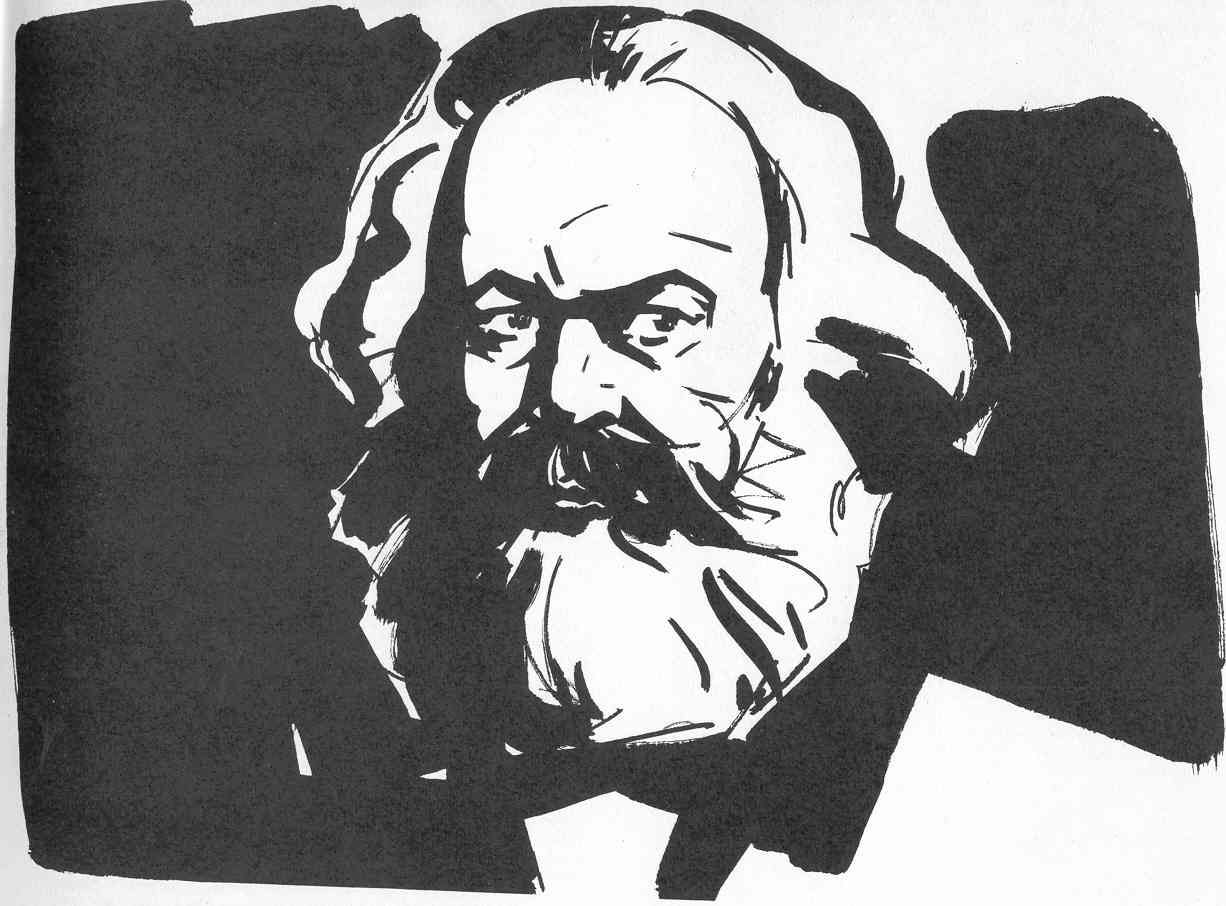
The final part of the book addresses what Marx terms the “primitive accumulation” of capitalism, a historical account of the origins of industrial capitalism.
For the process of accumulation to begin, industrial capitalism requires two fundamental conditions: first, the existence of a destitute population, entirely severed from any means or instruments of production; and second, the existence of a class that has amassed the wealth necessary to initiate capitalist investment.
Marx seeks to answer a simple question: how did it come to pass that wealth became concentrated in the hands of a few, while vast segments of the population were reduced to destitution, compelled to sell their labor power?
The historical answer is clear: violence. Colonialism and the plunder of colonial wealth, most notably gold and silver, accompanied by massacres that claimed millions of lives across Africa, South America, and Asia, served as primary mechanisms for accumulating the capital required to launch industrial capitalism.
Similarly, the repressive role of the state, which drove peasants from their lands and subjected them to starvation through the enclosure of common lands and their conversion into private property, forced millions of peasants to migrate to cities in search of work.
This is how industrial capitalism began in Britain; but what of capitalism in Egypt? Most historians of what is termed “modern Egypt”, including many on the political left, focus on themes of modernization, national progress, and attempts at industrialization.
Yet, we hear little about the history of those who paid the price for this capitalist modernization, nor about the processes through which wealth became concentrated, whether in the hands of the state, large landowners, colonial powers, or, subsequently, industrial capitalists. There exists a historical narrative that treats national development as an end in itself, but what kind of development? For whose benefit? Who controls the development process, and who pays the price for it?
As an objective, “independent national development” signifies nothing more than the desire to transform Egypt into a competitive hub for capital accumulation. In other countries, this process has only ever unfolded through brutal levels of exploitation and impoverishment, mechanisms used to generate “absolute surplus value.”
This same agenda often includes other goals: modernity versus obscurantism, progressivism versus reactionism, and secularism versus a theocratic state. While these are undoubtedly noble aims, they remain entirely stripped of their class content and divorced from any connection to capitalism, whether domestic or global.
Perhaps by re-examining the history of modern Egypt, armed with insights from Karl Marx’s Capital, we could not only refute the prevailing nationalist and developmentalist narrative but also gain a deeper understanding of the crisis of capitalist transition in Egypt. This would mean moving beyond the perspective of trying to make capitalism “succeed,” and instead focusing on transcending capitalism altogether, or, to use Marx’s own phrasing from the end of his work: “expropriating the expropriators.”
In the preceding sections, we have sought to demonstrate the value of engaging with Capital. We have argued that, even for us here in Cairo in the twenty-first century, the text offers profound tools for understanding our own reality and history.
We have touched upon only a small, brief selection of the ideas contained within the book; spanning over 900 pages, Capital serves as a vast repository of concepts touching upon history, economics, philosophy, anthropology, and technology.
Karl Marx was a revolutionary, and his goal in writing Capital was to arm the labor movement so that it could liberate humanity from the shackles of capitalism.
This article was first published in Arabic in the El-Maraya magazine, a periodical issued at the time by Dar El-Maraya for Culture and Arts, in 2017.