




This issue of The Cairo Report follows a state that can enumerate 1,008 reforms for private capital over three and a half years and barely 44 for the people who staff its factories, hospitals, universities, and registries—a ratio of roughly 23 to 1.
We also cover the cabinet’s own accounting of that disparity, a 12% financing window on public land opened to developers while the central bank holds its rates at 19–20%, a Luxor security contractor whose “amicable settlement” surrendered two months of salaries it already owed while preserving a wage below half the legal minimum, and 1,763 Justice Ministry retirees finally collecting end-of-service benefits withheld for up to six years, but disbursed in pounds worth a fraction of what they were when the debt was incurred.
Meanwhile, the Alexandria Labor Directorate answers Misr El Amria’s locked-out workers by transcribing management’s memoranda, rollers at steel factories stand idle in a billet dispute between integrated giants and import-dependent mills, outdoor workers still choose between heatstroke and an unpaid day, journalists at Al-Wafd and EgyptKE fight exclusion from their own boardroom and salaries cut to 3,000 pounds, and Warraq residents, Giza and Old Manial families, and newly assigned dentists keep petitioning institutions that treat their rights as administrative inconveniences.
One thousand reforms for capital, none for workers’ power
The cabinet’s Information and Decision Support Center (IDSC) counted approximately 1,008 measures supporting the private sector between May 2022 and December 2025. Its 344-page report covers monetary and exchange-rate policy, competitive neutrality, industrial and investment support, legal and institutional reform, and implementation of the State Ownership Policy Document.
Applying a comparably broad test to national measures carrying a direct or plausible benefit for workers, The Cairo Report counted at most 44 over the same period, equaling roughly 23 private sector, capital-centric reforms for every labor-centric measure.
However, even 44 is a generous count. It includes 19 wage-floor, public-pay, pension and income tax measures; four emergency wage support and irregular worker benefits; 16 measures concerning labor rights, enforcement and redress; and five initiatives involving skills, occupational mobility or consultative representation.
The total incorporates three increases in income-tax exemptions and accompanying bracket changes, the capitalization of the Workers’ Emergency Subsidy Fund and an increase in its minimum wage-replacement payment, the “Mehany 2030” vocational-certification program, three decisions regulating training, skills certification and paid apprenticeships, and the reconstitution of the Supreme Council for Social Consultation.
These are included because the IDSC treats comparable platforms, licensing changes, and institutional initiatives as reforms when they benefit capital.
Under a stricter test, the worker-side total falls to 39 after excluding the four training and apprenticeship measures and the consultation council, which may improve labor supply or provide an officially managed channel for dialogue but do not transfer workplace power to workers.
The broader figure also conceals that 19 measures primarily adjusted incomes after inflation and currency depreciation, while 15 implementing decisions appeared only in December 2025, leaving almost no time for observable effect within the report’s period.
The disparity is therefore qualitative as well as quantitative. The private-sector program systematically altered the conditions under which capital invests and accumulates, whereas most labor measures barely compensated for lost purchasing power, administered emergency relief, or improved employability. None materially improved workers’ capacity to organize independently, bargain collectively, or stop production when facing abysmal working conditions.
Centralized purchasing, fragmented distribution
Update: Egypt’s Unified Procurement Authority (UPA) has agreed to review, but has not yet approved increases in contract prices for certain medical supplies, marking the first movement since last week’s dispatch that suppliers were still waiting for “practical steps” to be taken by the authority.
Mohamed Ismail Abdo, head of the Cairo Chamber of Commerce’s Medical Supplies Division, said the “UPA would examine a study submitted by the division” after manufacturers and traders argued that raw-material, freight, transport, wage and exchange-rate costs had made existing prices unsustainable.
The authority also proposed reorganizing deliveries by dividing suppliers into two cohorts, each delivering once every two months, and limiting the interval between a purchase order and completed delivery to 35 days.
The division formed a committee to examine the rules, but its members proposed grouping purchase orders by governorate or requiring delivery to health directorates, which would then distribute products locally.
Suppliers currently deliver separately to hospitals and medical centers across the Ministry of Health, the two public health insurance systems, and university hospitals, creating a nationwide distribution burden from Alexandria to Aswan.
The dispute, at its heart, exposes an unfinished feature of centralized procurement where the UPA concentrates purchasing and price-setting power nationally while leaving distribution fragmented among individual suppliers and facilities.
Staggered orders may reduce delivery frequency, but they do not resolve the cost of servicing hundreds of destinations.
The division’s alternatives would move more of that logistical function back into the public health system.
A transparent repricing mechanism and more centralized distribution could protect supply continuity, but if, as usual, any use of public funds to restore supplier margins fails to disclose the cost basis or impose enforceable wage and employment standards, higher labor costs could be invoked to justify contract relief without ensuring that any of the adjustment reaches workers in the sector.
An “amicable settlement” for half the minimum wage
Luxor’s Labor Directorate says it forced a private security contractor to pay workers their salaries for June and July after a collective complaint. The official account, published by the state-owned Al-Ahram, withheld the employer’s name, but the company was Radar, a security and cash transport firm, which supplies guards to the public Thebes Technological University.
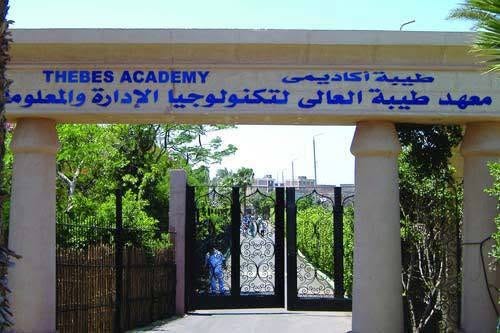
The dispute concerned considerably more than two late payments. In his original appeal, a guard said Radar paid 3,500 Egyptian pounds a month (around $69), which is less than half of the statutory minimum wage, provided no social insurance coverage or leave, deducted three days’ pay for a single absence, and threatened workers with dismissal when they said they would approach the Labor Office.
The directorate’s initial inspection also expressly covered the company’s failure to apply the minimum wage, according to Sada El Balad, which also withheld the employer’s name.
The settlement covered the two withheld contractual salaries, but it did not recover the 3,500 monthly shortfall, register the workers for social insurance, restore their leave, refund disciplinary deductions or take any disciplinary steps regarding the threatened retaliation, effectively converting a package of continuing violations into a success story about “amicable solutions” and workplace stability.
Radar is an Egyptian joint-stock company, operating as part of the City Service group. Both entities are chaired by businessman Khaled Gouda, who serves as CEO of the City Service group and chairman of the board of Radar.
The company, like most private security firms in Egypt, was built around senior personnel drawn from the armed forces, police and “the highest security agencies.”
Its management structure names Major General Gamal Abdel Nasser as general manager and Staff Major General Ibrahim El-Hanouni as executive director. It also includes Brigadier/Major General Tarek El-Hefnawy as operations director, Major Hossam Lotfy as training director, Captain Saber El-Halawany as inspection director, Major General Mostafa El-Azazy as public-relations and marketing director, and Colonel Mohamed Said Ali as head of the Cairo sector.
Radar, also like most security firms, effectively turns experience acquired within the state’s coercive institutions into a commercial service sold back to public bodies.
Thebes Technological University, however, cannot treat the guards as Radar’s problem alone, as Article 94 of the labor law requires a contractor performing part of another employer’s work at the same workplace to equalize its workers’ rights with those of the original employer, and makes the original employer jointly liable for the contractor’s labor law obligations. The university is therefore implicated in both the wage arrangement and its correction.
Ultimately, the settlement maintained the outsourcing structure, and the company ended up giving up two salaries it already owed, without facing any fines, backdated minimum wage adjustments, or agreeing to any broader remedies.
Six years late, paid in devalued pounds
The Justice Ministry announced that it has settled overdue end-of-service benefits for 1,763 former employees of the Real Estate Registration and Notarization Department.
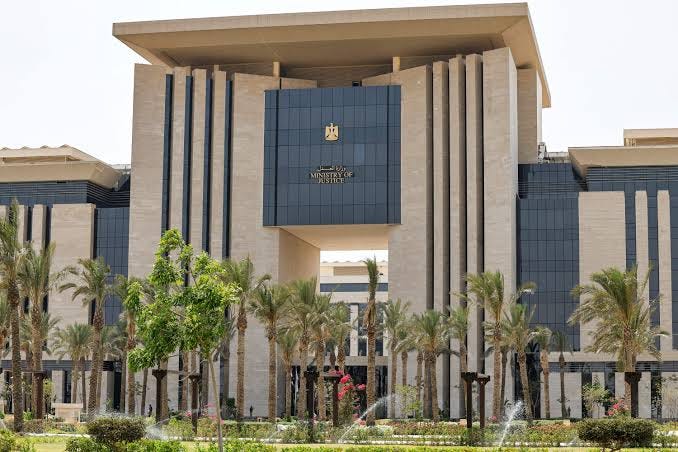
These payments address claims that had been pending since 2020, with workers waiting six years to receive the funds owed to them upon retirement, in a settlement that extends to the heirs of employees who passed away while still in service.
The payment is separate from the workers’ ordinary state pensions. It is a lump-sum benefit provided by the department’s Health and Social Services Fund, which is controlled by the Justice Ministry and financed partly through deductions from employees’ salaries and partly through a legally earmarked share of the fees citizens pay for registration and notarization services.
The fund dates to Justice Minister Decision No. 3322 of 1986. Law No. 6 of 1991 allocated 3% of registration and notarization fees to it, before Law No. 83 of 2006 increased the share to 5%, then a 2011 ministerial decision placed the fund under a board composed entirely of senior Justice Ministry officials, headed by the first assistant justice minister. Decision No. 1433 of 2012 subsequently established its administrative and financial rules.
In 2017, the end-of-service benefit was increased from five months of basic pay to five months of comprehensive pay, which substantially increased the amount due to each retiring employee, but the ministry did not provide the fund with sufficient additional resources. By 2020, it could no longer keep up with new claims, and payments stopped.
The scale of the failure was made public by 2023, when more than 1,500 retirees and heirs were waiting for their money. At the time, a Justice Ministry representative told Parliament that payments had reached only those who retired through April 2020 and acknowledged that the larger benefit had caused the fund to fall into arrears.
The new settlement covers 842 employees who retired between October 2020 and May 2022, another 842 from June 2022 through November 2025, and 79 from December 2025 through June 2026. The department is still processing the claims of nine employees who retired in July, making the claim to have settled the backlog premature.
Moreover, the ministry has not disclosed how much the settlement cost or where the money came from. Paying 1,763 claims after the fund had admitted it could not meet its obligations required a substantial injection of cash, and that money must have come from a budget transfer, accumulated registration fee revenue, continuing employee deductions or resources diverted from the fund’s other services. The ministry has published none of the accounts needed to determine which.
There was also no compensation for the delay. Employees received their benefits in 2026 pounds, which had been significantly diminished by inflation and currency depreciation, and by the time the payments were issued, the pound had lost approximately 63% of its domestic purchasing power since 2020, while its value compared to the dollar had dropped by about 69%.
The payment, nonetheless, remains a material gain for the retirees and families who finally received it. But nothing in the announcement explains how the ministry’s failure was repaired or what will stop it from happening again.
Labor ministry as company stenographer
Update: The Alexandria Labor Directorate’s first written response to Misr El Amria workers’ collective complaint regarding management’s failure to abide by the law mandated special allowance calculation, accepted the company’s account of its allowance payments.
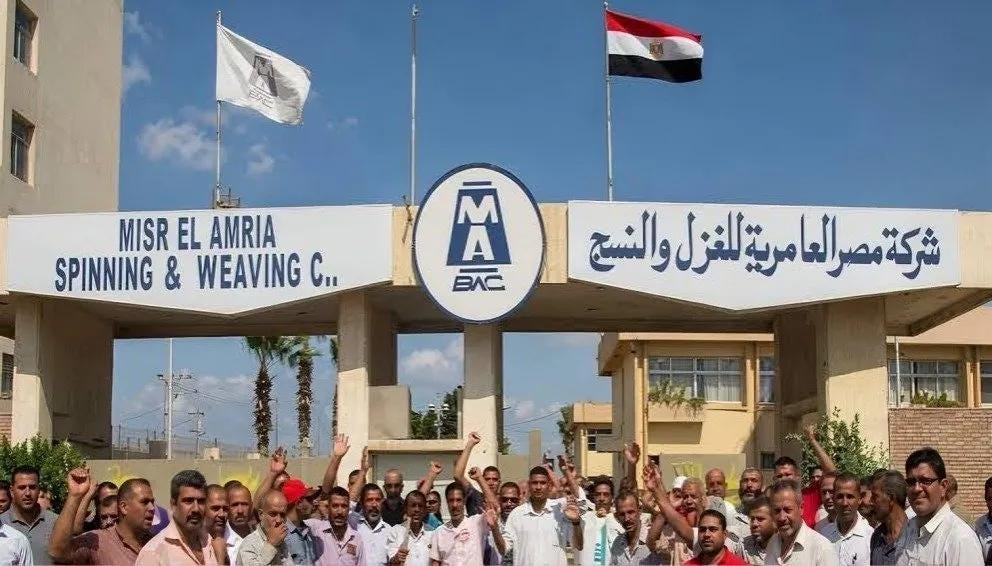
It said management had paid the statutory 3% periodic allowance on insured wages in January before introducing an additional 12% allowance on basic wages in July and incorporating 7% into basic pay.
Workers criticized the move, saying the directorate reproduced the company memoranda without independently addressing their argument that the calculation violated Law No. 75 of 2026, according Al Manassa’s Ahmed Khalifa.
The directorate also stated that workers retained their full legal wage rights during the suspension, but relied on an internal letter dated August 10 that the complainants were not allowed to inspect.
It neither formally classified the shutdown nor issued a binding payment order covering the duration of the shutdown.
Separately, it found the workforce ineligible for the 750-pound monthly cost-of-living allowance, despite workers saying they had received comparable payments before and that other textile companies continued to pay them.
The result was a sanitized administrative account of management’s position, rather than an enforceable resolution of either contested wage claim.
Safeguards for steel, none for the people who roll it
Workers assigned to three production lines at Estar Egypt for Industries, a major steel manufacturing plant operating under Ashry Steel Group’s rolling mill in Sixth of October City, were standing idle this week because the factory had no billet to work with, maintenance supervisor Ahmed Farag said in footage recorded inside the plant.
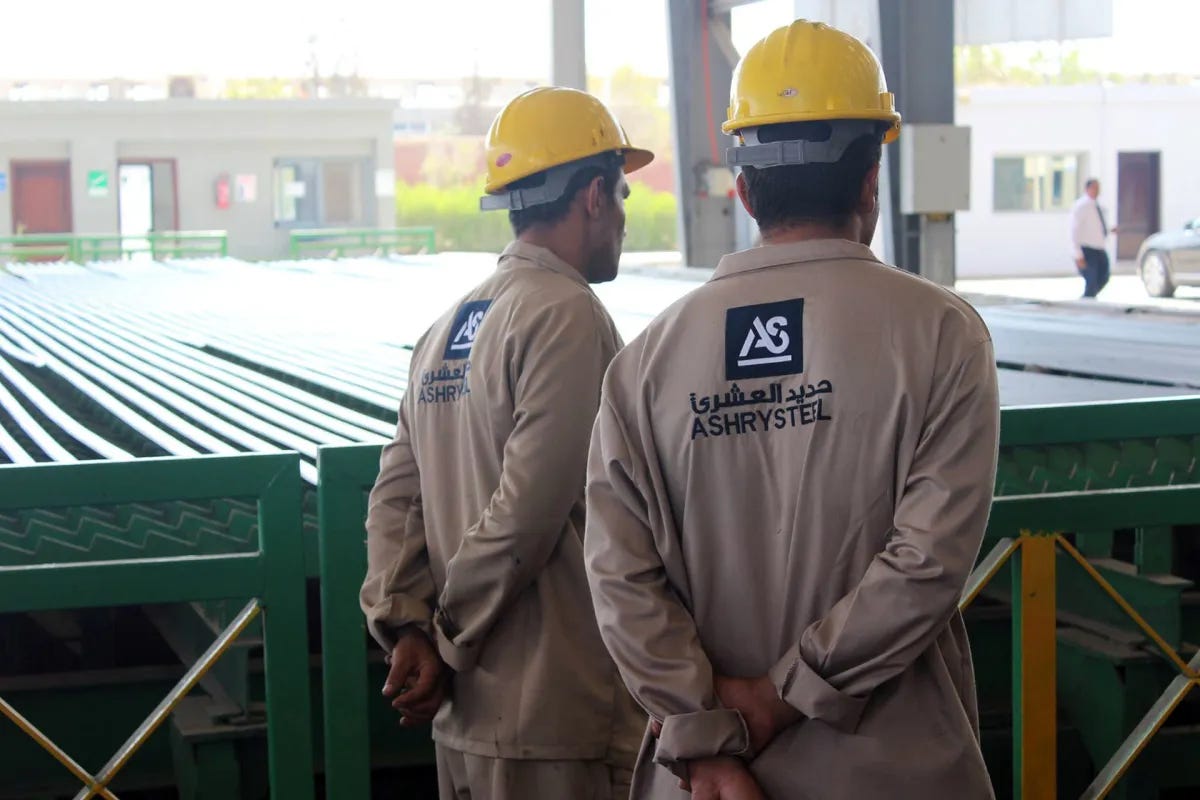
Estar manager Mohamed Ismail attributed the shortage to the safeguard duty on imported billet and said more than 20 rolling mills had stopped, a claim that The Cairo Report could not independently verify.
The dispute mainly divides companies according to their control over raw material production.
State-linked giant Ezz Steel and Military-owned Suez Steel and Beshay Steel operate integrated production chains, while Egyptian Steel and El Marakby Steel possess melting and billet casting capacity, and Estar must buy billet domestically or import it.
The current safeguard charges 13.12% of the import value, subject to a minimum of $70 per ton.
However, the investment and industry ministries are reviewing a study warning that the duty disadvantages rolling mills. At the same time, the Industrial Development Authority (IDA) is offering eight new billet-production licenses with a combined annual capacity of 2.8 million tons.
Those facilities will take time to build, leaving wages and employment at idle mills hanging in the balance in the interim.
Ismail also pointed to European import quotas as a constraint on Egyptian steel exports, and there is a real restriction because Egypt’s new European Union (EU) allocation permits 36,091.95 tons of rebar per quarter before additional restrictions apply, while the EU’s wider regime cut duty-free steel quotas by about 47% and raised the out-of-quota charge to 50%.
Data shows that Egypt had used virtually all of its preceding rebar allocation by June, and the supplemental quota shared by Egypt, Turkey, and Ukraine under the new system was exhausted in July, but Egypt’s own current rebar quota was only 31.4% used as of 18 August, leaving nearly 24,756 tons available.
European protectionism therefore limits future export planning, but it does not show that Egyptian producers were unable to export, nor does it explain why workers at Estar had no billet.
What the available evidence establishes, however, is that the domestic safeguard raises the cost faced by import-dependent mills, while the workers placed on idle lines have no disclosed protection against the resulting loss of work or pay.
The state discounts its territory to keep developers solvent
On August 20, the cabinet set the interest charged on state-land installments at 12% for one year, covering real-estate developers and investment projects in agriculture, tourism, services, among other commercial activities, extending beyond new cities to every public authority with jurisdiction over land.
The government presented it as relief from the cost of financing land.
On the same day, the Central Bank of Egypt (CBE) kept its overnight deposit and lending rates at 19% and 20%, respectively.
While the land charge is not a bank loan and the CBE rate is not a precise measure of the government’s lost revenue, it still illustrates the scale of the preference: investors financing one of their principal assets directly through the state will pay seven percentage points less than the rate available to banks depositing money overnight at the central bank, and even less than most borrowing costs.
This arrangement has a deep institutional history behind it. The New Urban Communities Authority (NUCA), established under Law No. 59 of 1979 and attached to the Housing Ministry, is the public body responsible for building and administering Egypt’s new cities. It prepares and services public land, allocates plots and collects the resulting sale, lease and installment payments.
Under a 1997 amendment to the law, proceeds from the sale, lease and use of NUCA land are, ostensibly, public money held in a CBE account, which may be used for developing new communities and for what the law calls the state budget’s “imperative requirements, as directed by the prime minister,” and the amendment imposed a similar arrangement on the public authorities controlling agricultural-development and tourism land.
Reducing the return on those receivables is consequently more than a commercial decision by a property owner, as it changes the income collected from public assets. The cost does not need to appear in the budget as a subsidy payment, it can just take the form of financing income that a public authority simply agrees not to collect.
The 12% rate is the latest stage of a concessionary system built during the recent period of monetary tightening.
For example, in May 2023, NUCA’s board reduced the charge on certain rescheduled land installments to 10%, instead of applying the CBE’s announced rate, for two years.
Then, the cabinet subsequently set a 15% rate for developers and investment projects across new cities and other landholding authorities, which the Housing Ministry first kept through May 2025 and then, following demands from the Real Estate Developers Association, extended it to 15 May 2026.
Industry received still more favorable treatment within the earlier arrangement when industrial developers and land governed by the 2024 industrial-allocation rules remained at 10%. Then, two days before the latest cabinet meeting, Cabinet Decision No. 66 of 2026 established a 12% rate on industrial-land installments for contracts falling in the 2026/27 fiscal year.
That measure could at least be defended as an attempt to direct capital toward production because it requires investors to complete their projects and obtain an operating license and industrial registration within a prescribed period.
The August 20 decision, however, is broader, as it applies the same 12% rate to property, tourism, agriculture, services, and commercial investments, without any publicly disclosed differentiation by productive capacity, employment intensity, or social return, giving the same financing treatment to factories, hotels, commercial complexes, and luxury residential developments, for example.
The decision also does not condition the concession on job creation, minimum-wage compliance, social-insurance registration, affordable housing, local procurement, or protection against layoffs.
The same cabinet statement shows why the government is prepared to protect this land market, as NUCA’s board had, in its June meeting, approved 22 company requests for land payable in dollars transferred from abroad, with plots spreading across Sheikh Zayed, New Obour, New Borg El Arab, New Mansoura, New Aswan, New Cairo, and 6 October, for residential, commercial, administrative, hotel, and recreational projects.
NUCA began expanding this dollar-payment mechanism during the foreign-currency shortage in 2022, by September 2023, the authority said it had allocated 219 plots covering 926 feddans through the system.
Thus, public territory had acquired a second macroeconomic function where, beyond financing urban construction, it became a means of drawing foreign currency into a state agency.
This helps explain the apparent contradiction between “restrictive monetary policy” and cheap land finance.
High rates are meant to discipline demand across the economy, but they can also make developers unwilling to service plots, complete projects, or bid for new allocations, threatening not only their profits but also a state accumulation model increasingly dependent on land-sale receipts, construction activity, and dollar transfers.
Giving these developers “incentives” protects the public authorities whose revenue now depends on continued private acquisition of public land.
For wage earners, any possible and nominal benefit remains unenforceable.
The concession may sustain some construction or operating jobs, but the government has required no employment floor or labor rights return in exchange, while workers are offered the expectation that easier accumulation will eventually produce employment.
Heat protections leave workers choosing between safety and pay
Egypt’s labor protections do not guarantee that workers exposed to dangerous heat can stop work without losing income, leaving those in daily-wage and subcontracted employment especially vulnerable, according to a new policy paper by the Center for Trade Union and Workers Services (CTUWS).
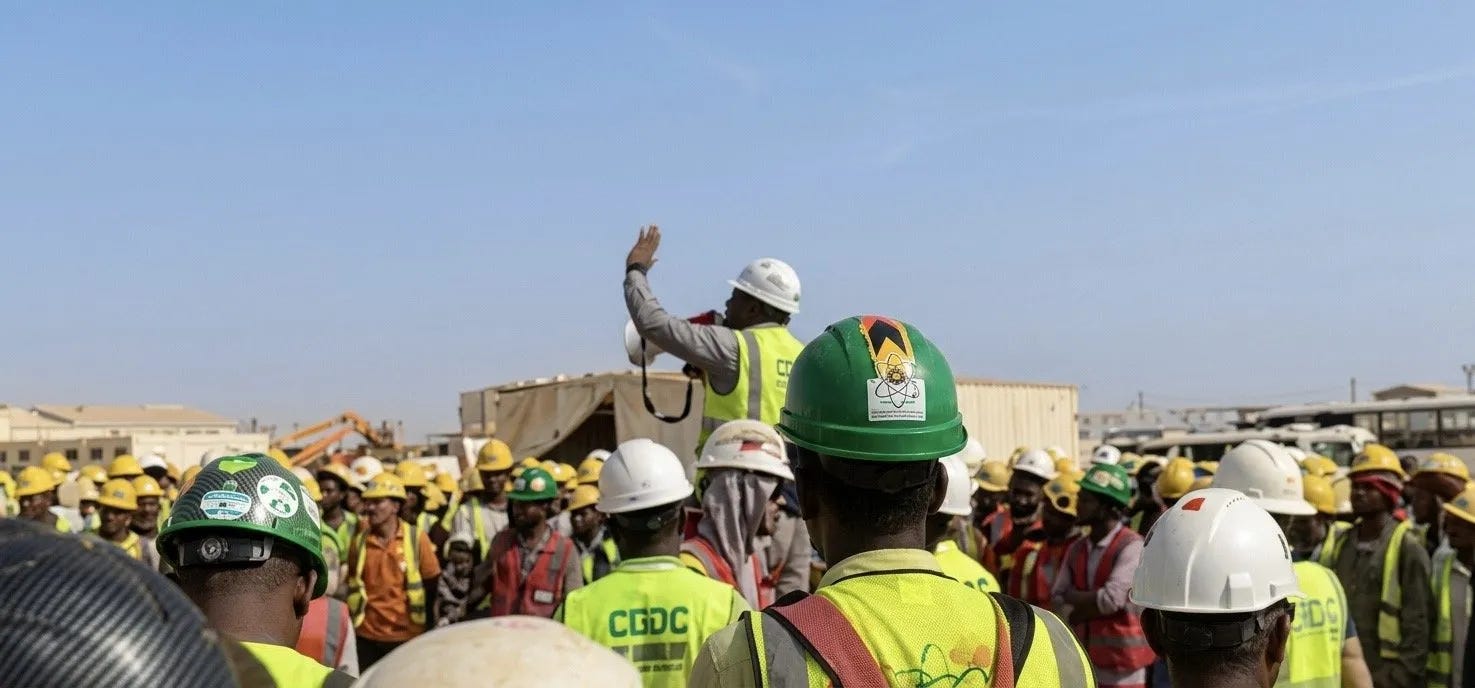
The paper calls for updated heat-exposure standards, a warning system linking weather forecasts to workplace measures, more labor inspections, and a national register of heat-related injuries.
Egyptian law formally recognizes the danger, as Article 253 of the labor law allows workers to leave a workplace when an imminent and serious threat endangers their life or health, without prior permission or disciplinary punishment, and Article 257 allows labor inspectors to shut down workplaces presenting said dangers while preserving workers’ wages.
However, it’s important to note that the law protects a worker who withdraws from disciplinary action, but it does not explicitly guarantee payment for hours or days lost.
Wage protection is clearly stated only when the “authorities” order a closure, leaving daily wage workers to decide whether to remain exposed, challenge a supervisor and risk losing income, or wait for an inspector to intervene.
The rules governing exposure also remain rooted in Ministerial Decision No. 211 of 2003, issued under the previous labor law, and preserved under the newer labor law “until replacements are adopted,” leaving operational standards for heat, rest and workplace exposure largely dependent on regulations written more than two decades ago.
The consequences were visible in May at a solar power project in Aswan, where 25-year-old Ahmed Abdel Maqsoud died after suffering heat stress as temperatures reached 48 degrees Celsius in the shade, while seven of his coworkers collapsed
Daily wage workers protested inside the site after his death, demanding a halt to work during peak heat, drinking water, a functioning clinic, stronger safety measures, and higher wages.
And while the CTUWS’ proposals would improve measurement and enforcement, particularly because official occupational injury statistics do not separately identify heat stress, the paper does not clearly demand that heat stoppages be paid or establish an enforceable worker-led right to suspend dangerous operations.
Any replacement regulations should set sector-specific thresholds for mandatory paid stoppages, protect wages and attendance records, and make project owners, principal contractors and subcontractors jointly responsible.
Without those guarantees, the government may develop a better system for announcing extreme heat while leaving the cost of responding to it with workers.
Journalists written out of their own boardroom
Journalists at Al-Wafd newspaper and EgyptKE are challenging decisions by their employers over wages, working conditions, and their representation in management.

The Wafd party announced on August 15 that it had reconstituted the newspaper’s boards of directors and editors, ousting journalists and other employees from the body altogether, after approving new internal regulations. The party stated it had removed a provision governing the composition of the board but insisted that the change did not affect the rights of journalists or other employees.
On August 16, Al Manassa’s Gasser El-Dabaa reported that Al-Wafd’s workplace union committee categorically rejected the restructuring and disputed that claim, saying the deleted provision had given journalists and administrative staff a role in the newspaper’s board and that the change was made without the union’s participation.
The union said the laws cited by the party to justify the change did not provide a basis for removing workers’ representation. Instead, it argued, they affirmed employees’ rights to participate in workplace regulation and protected rights established under previous rules, according to an internally circulated statement reviewed by El-Dabaa.
The union cited Egypt’s trade union, press, and labor legislation, arguing that the workplace union should have been consulted over changes to internal regulations. It also disputed the party’s reliance on a provision of the 2018 press law, saying the article in question dealt with editorial boards rather than boards of directors.
The new composition of Al-Wafd’s board has not been published by the party; however, a member of the workplace union told El-Dabaa that neither journalists nor other employees were represented, “not even the editor-in-chief of the website”.
Yasser Shoura, the website’s editor-in-chief, said he was not troubled by his exclusion from the board, saying he remained editor-in-chief under the new structure and retained his powers.
The Press Syndicate and the General Union of Workers in Press, Printing, and Information have also objected to the new structure, according to the workplace union. Both organizations wrote to the newspaper’s board chairman, but the union said their letters had received no response.
Mahmoud Kamel, deputy head of the Press Syndicate, confirmed that the syndicate had raised legal concerns with the management over the restructuring and the lack of representation for journalists and workers.
The syndicate is waiting for a response, Kamel told El-Dabaa, and plans to meet journalists at the newspaper and members of the workplace union to discuss possible further action.
The latest dispute comes weeks after party chairman El-Sayed El-Badawi denied reports that Al-Wafd was facing liquidation or that employees would be laid off. Those fears had emerged during a separate confrontation over administrative decisions that were incompatible with the work of a newspaper, with some calling for the removal of the institution’s chief executive, Sherif Hamouda, as covered by The Cairo Report.
Meanwhile at EgyptKE, the dispute is centred on a series of salary reductions that, employees told El-Dabaa, have been imposed without meaningful consultation.
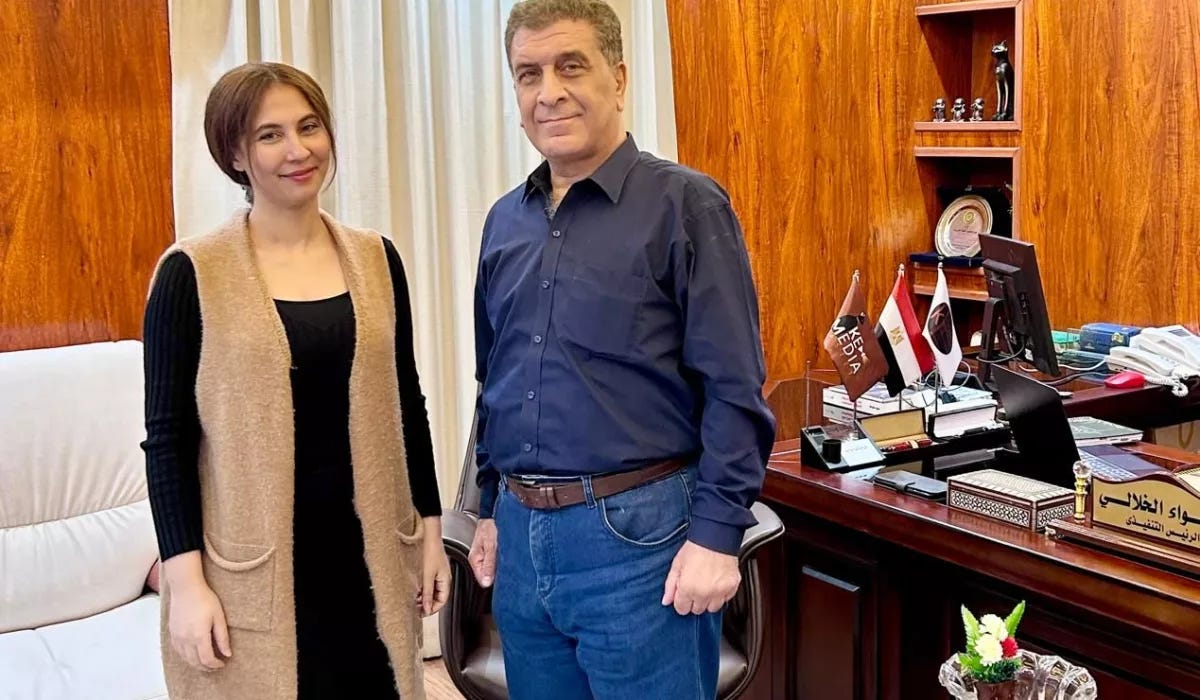
The 13 journalists who complained to the labor authorities say their salaries have been cut repeatedly since the beginning of the year. Their latest reduction, announced in July, brought monthly pay to 3,000 pounds, according to one of the journalists who spoke to El-Dabaa.
The employees say they were originally promised employment contracts and social insurance when they joined the website in 2025. Instead, they say, their pay has been reduced several times.
The first cut came early this year, when 1,000 pounds were deducted from salaries that ranged between 7,000 pounds and 9,000 pounds. Management cited “emergency circumstances”, according to the journalist.
A second attempt, in late March, would have reduced salaries by 60%. Employees objected and management withdrew the proposal after several days of negotiations. Five journalists subsequently left the organization, either by resigning or after being dismissed, according to El-Dabaa.
Following the blocking of the website in April, employees were told that another 1,000 pounds would be deducted, bringing salary averages to about 5,000 pounds.
Then, at the end of July, employees were told that their salaries would fall to 3,000 pounds in return for working three days a week from the office.
The journalists attempted to negotiate. They proposed working two days a week on the reduced salary, allowing them to take other work to make up the difference. The talks failed, however, and the employees submitted a memorandum to management before taking their complaint to the labor authorities.
Some of the journalists involved in the negotiations were subsequently removed from the organization’s internal WhatsApp group, according to El-Dabaa, who also reviewed a message informing one journalist that their services were being terminated, a direct violation of Article 16 of Egypt’s 2018 press law.
Mahmoud Fayed, EgyptKE’s deputy editor-in-chief, denied that the organization was experiencing a crisis and said he believed journalists’ salaries had increased rather than fallen.
The journalists’ memorandum called for consultation over major changes to salaries and working conditions and demanded payment of delayed wages, unused leave, and other legal entitlements.
Both labor battles highlight the vulnerability of journalists in today’s media industry.
So long as ownership and editorial control remain concentrated in the hands of party leaderships and media proprietors insulated from any real accountability to the people who do the work, journalists will keep discovering that their rights on paper mean little without organized power to defend them.
Warraq islanders reorganize against expropriation
Update: Warraq Island residents gathered outside the headquarters of the New Warraq City Development Authority on Tuesday, August 25, demanding recognition of their right to remain in their homes and submitting a renewed list of demands concerning housing, basic services, and legal cases against residents.
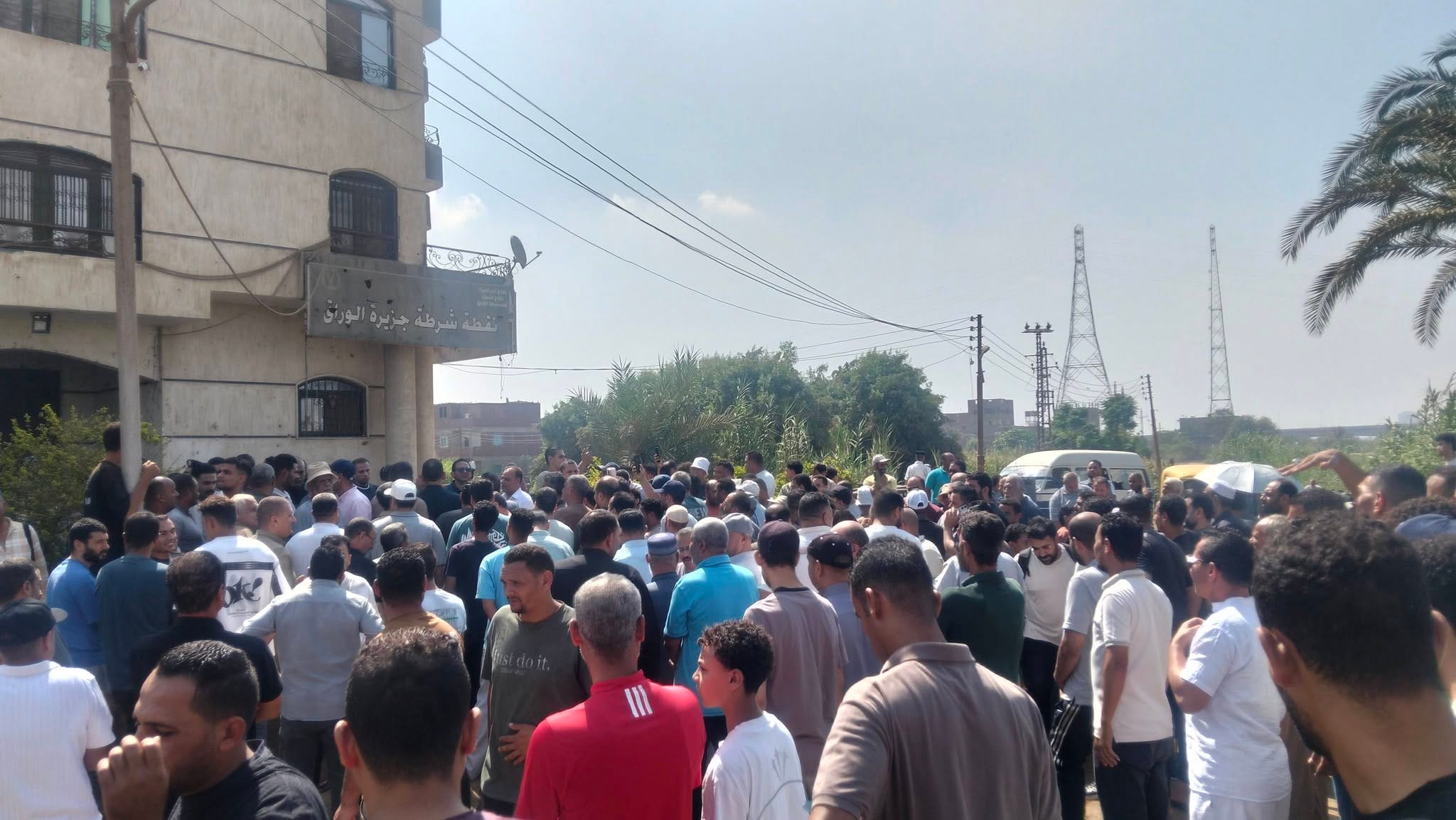
The demonstration began at 10 a.m. and was organized by the recently formed “We Are Staying on Warraq Island” movement, which called on residents to make the action a “historic day” and demonstrate that the island’s community remains united in its opposition to displacement.
The residents’ written submission, addressed to the head of the New Warraq City Development Authority, Abdelrahman Atallah, says islanders have repeatedly requested the allocation of land within Warraq where they could build homes as an alternative to their existing houses. According to the document, requests were previously submitted to state authorities, including engineering and police authorities, but residents have received no definitive response despite the passage of several years.
The first and central demand in the new submission is therefore for authorities to approve the allocation of a plot of land within Warraq Island where residents can build replacement homes, rather than being relocated elsewhere. Residents are asking for a clear timetable, defined procedures, and fair conditions for implementing such a decision.
The residents also call for the closure of all cases against Warraq’s youth connected to the island’s confrontations with security forces.
The demands follow weeks of renewed tensions over access to the island, restrictions on construction materials, and deteriorating public services. The latest escalation began in early August after two residents were injured near the Qallini ferry crossing during a confrontation involving security forces and residents.
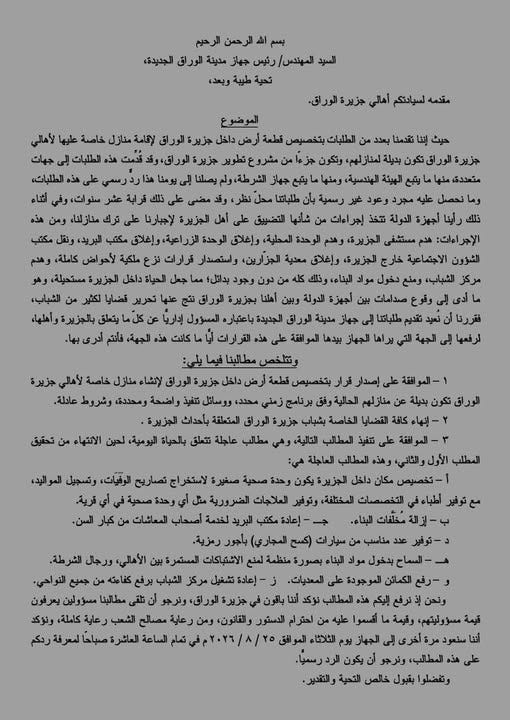
As a result, the latest submission explicitly demands that construction materials be allowed onto the island through an organized system. Residents say organized access is necessary to reduce friction and repeated confrontations with police.
Alongside the housing and legal demands, and beyond the call for organized entry of construction materials, residents have submitted six further urgent requests concerning everyday life on Warraq.
They are demanding the designation of a space on the island for a small health unit capable of providing basic medical care and necessary treatment, including access to doctors in different specialties. The residents also want the facility to help with administrative procedures, such as issuing death certificates, and other services normally available through a village health unit.
They are also demanding the removal of construction debris from the island; the reopening of the post office, which residents say is particularly important for elderly people; provision of an adequate number of transport vehicles at nominal fares for workers who depend on sewage-related services for their livelihoods; the removal of security checkpoints at the island’s entrances; and the reopening of the Warraq Youth Center to provide services for residents.
The residents’ document argues that the deterioration of these services, among others, has compounded the pressure created by the government’s development project.
It also accuses state agencies of using expropriation decisions covering entire plots of land without residents receiving due compensation. The document links these disputes to the recent confrontations that left two residents injured.
The residents say they are resubmitting their demands in the hope that state authorities will resolve outstanding grievances, particularly those affecting younger residents, and approve a mechanism allowing the community to remain on the island.
They promise to return to the New Warraq City Development Authority to continue pressing for their legal rights.

Bulldozer-first politics threaten Giza and Old Manial as residents fight back
The Egyptian Gazette published two decisions by Transport Minister Kamel El-Wazir on August 16, ordering the expropriation of land and property in Giza for the Bus Rapid Transit (BRT) project and the Mariouteya Axis.

Decision No. 479 of 2026 concerns the first phase of a project to build parking facilities serving passengers of the BRT system on the ring road around Greater Cairo.
The properties are located in three Giza areas: Geziret Al-Dahab, Al-Kunisah, and Kafr El-Gabal. According to the detailed land registers attached to the decision, a total of 24,791 square meters, will be expropriated across 16 plots.
The affected properties belong to a mixture of companies, families, heirs, and individual owners, including Nile Construction and Building Materials Company, Al Manassa reported.
The decision says the expropriation follows the failure to obtain signatures from owners or other interested parties on forms transferring ownership for the public benefit. The project had already been designated as a public-benefit project under Prime Ministerial Decision No. 3483 of 2023.
A second decision, No. 480 of 2026, concerns land and properties along the planned Mariouteya Axis, which will run from its intersection with the ring road at Mariouteya to its intersection with the Middle Ring Road in Giza.
The decision includes 19 detailed registers prepared by the Giza Survey Directorate. They cover land in Nazlet Al-Ashtar, Al-Haraniya, and Shabramant in Abu El-Nomros district, as well as Al-Shanbab and Saqqara in Badrasheen district.
The Mariouteya project was declared a public-benefit project under Prime Ministerial Decision No. 3479 of 2023.
In Cairo, meanwhile, the battle has moved to the courts.
The Egyptian Initiative for Personal Rights (EIPR) filed five urgent lawsuits on August 15 against the Cairo governor, the head of the Old Cairo district and the head of the Awqaf Authority, seeking to halt what it described as demolitions of homes in the Waqf Tabtabay area of Old Manial.
The lawsuits, numbered 680 through 684 of 2026 before the Cairo Court of Urgent Matters, were filed amid growing concern among residents over the demolition campaign.
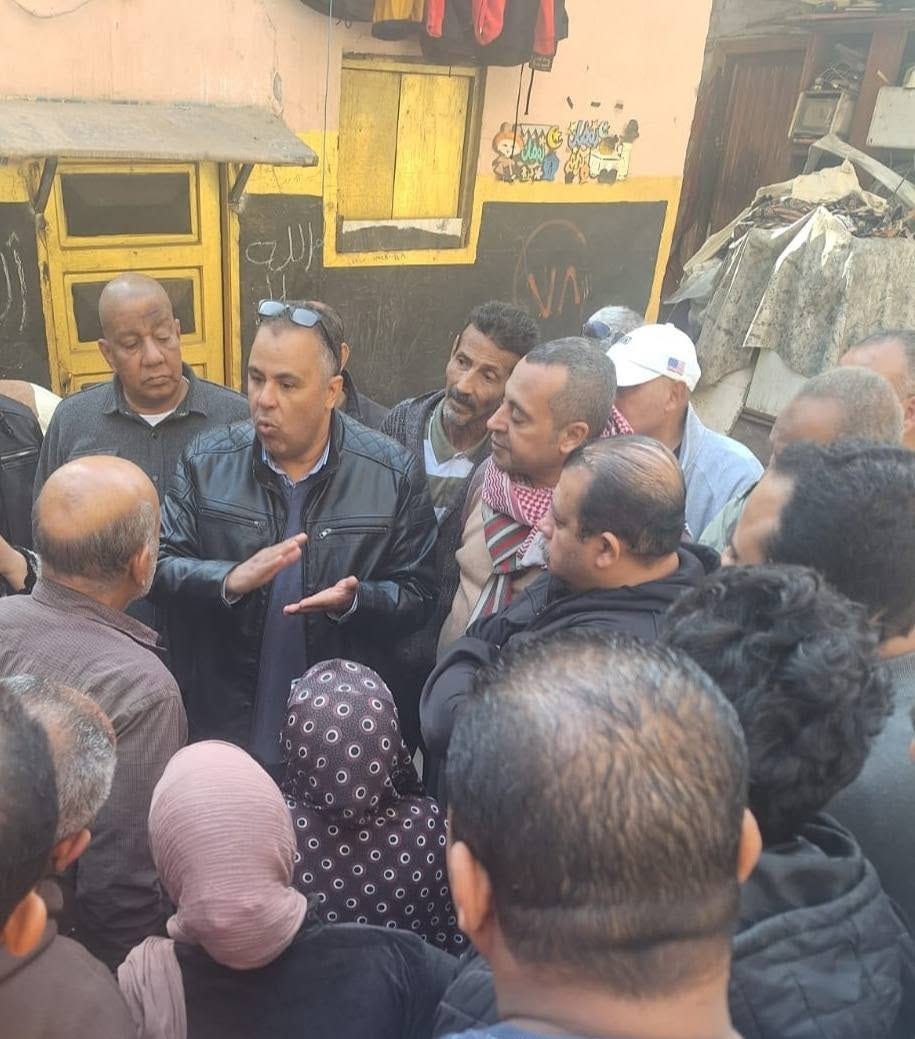
The dispute over Waqf Tabtabay has a longer history.
According to a March 17 EIPR statement, the redevelopment plan underlying the demolitions traces back to a 2013 protocol between the Ministry of Awqaf, which owns the land, and the Cairo governorate. Under that agreement, residents were explicitly promised they would be resettled in new buildings within the same area as part of the project.
Those promises stalled, the project was formally approved in 2018, and residents were surveyed in 2022, but administrative disputes between the Awqaf ministry and the governorate paused it for a period before it was reactivated in November 2024, with demolitions beginning in October 2025.
The redevelopment covers roughly 21,000 square meters and, according to the district’s own 2014 announcement reported by Al Manassa, is set to include 21 residential buildings with 452 housing units, along with office and commercial space.
Before the August lawsuits, residents and EIPR lawyers had already filed a complaint with the Public Prosecutor’s Office, numbered 17558 of 2026, alleging that authorities had illegally cut electricity, water and landline service to the area to pressure residents into leaving.
According to EIPR, demolition crews have damaged homes that are still occupied, including properties whose residents had not signed forms accepting compensation.
The pattern here, and in other cases, including Toson, Kilo 26, Warraq Island, and more, is that the state is employing a bulldozer-first politics, stripping people of their land and homes, leaving them to scramble for redress after the fact through courts, prosecutors, and lawsuits.
Residency bottleneck threatens hundreds of young doctors
Update: Dozens of dentists from the 2023 graduating cohort have been unable to start jobs they were officially assigned to by the Ministry of Health, with disputes at Alexandria and Zagazig universities leaving dentists concerned about missed deadlines and potential legal consequences.
The latest complaints mark a new phase in the residency crisis.
At Alexandria University, affected dentists say the administration has refused to allow them to report for duty and has not provided written confirmation explaining the refusal, according to Egypt Health Gate. Without such documentation, they have been unable to return to the Ministry of Health’s assignment administration to seek a resolution or reassignment.
The dentists added that the ministry told them their appointments at Alexandria University were issued following prior coordination with the university and based on official staffing requests submitted by the institution.
At Zagazig University, dentists report a different dispute. They say the university hospital’s administration is refusing to accept their assignment letters because the documents are addressed to the university rather than directly to the hospital’s administration. The administration, according to the dentists, has demanded that the letters be amended before they can begin work.
The disputes have left graduates who thought they were safe from the residency crisis caught between government and university authorities, despite holding official assignment decisions.
Some affected dentists have begun documenting their attempts to report for duty. According to the graduates, some have filed police reports recording the refusal by universities to accept them, while others are preparing collective complaints to the Egyptian Dental Syndicate and urgent legal challenges before the Administrative Court of the State Council.
Shimaa Hassan, one of the dentists involved in the dispute, told Al-Safha Al-Oula’s Mahmoud Sabra that graduates had appealed to the Egyptian Dental Syndicate and oversight bodies for an urgent and transparent investigation into the distribution of preferences and assignments for the 2023 cohort.
The affected dentists say the immediate priority is to establish which authority is responsible for resolving their cases and to ensure that they are not penalized for failing to report to posts they say they were prevented from taking up.
Death on the road to work, again
Update: At least five workers were killed and 45 were injured while traveling to work or on duty across the country this week, based on The Cairo Report’s tracking.
On August 19, Al-Shorouk’s Kamal Rashad reported that 28 workers were injured when a pickup truck carrying workers overturned on the Safaga-Hurghada road in the Red Sea governorate.
A day later, three workers died after falling from scaffolding while working at a residential building under construction in the Demoushia village, Beni Suef, Masrawy’s Hamdy Soliman reported.
In a separate accident in Menoufia on the same day, two people were killed and 17 others injured when a minibus carrying workers overturned near Al-Breigat on the Kafr Dawoud road, according to Masrawy’s Ahmed El-Bahi.
In response to the brutal, ongoing series of worker deaths while traveling to or on the job, the CTUWS launched a campaign, A Livelihood at the Price of a Life, calling for a comprehensive review of how workers are transported and how safety rules are enforced.
CTUWS stated that recurring worker-transport accidents over recent years have exposed repeated practices, including overcrowding, the use of vehicles not intended for transporting people, and inadequate safety measures. The organization said responsibility can extend beyond drivers to employers, contractors, intermediaries, vehicle owners, and authorities responsible for roads, inspection and transportation.
The group argued that the repeated accidents are evidence of a wider system in which known risks are allowed to persist. It called for investigations to identify the full chain of responsibility rather than focusing solely on the immediate actions of a driver.
The issue is particularly serious when children are among those traveling to work, CTUWS stressed.
On August 18, the CTUWS called for the formation of an urgent government committee bringing together all authorities involved in occupational safety, worker transportation and road safety. The proposed committee would examine patterns behind recurring accidents, identify institutional shortcomings and responsibilities, and establish binding preventive measures. The organization also called for the committee’s findings and recommendations to be made public.
Among its other demands, CTUWS is urging the Ministry of Labor to strengthen inspections of workplaces, particularly sites where children may be employed, and to identify and hold accountable those responsible for employing or transporting underage workers.
The organization is also calling on traffic authorities to ensure that vehicles used to transport workers are properly licensed, technically fit and used for their authorized purpose. It specifically called for enforcement against the use of cargo vehicles, including pickup trucks, to transport workers in violation of regulations or beyond their permitted capacity.
CTUWS further called for authorities responsible for roads and local administration to review locations where worker-transport accidents repeatedly occur.
The group also criticized arrangements involving subcontractors and intermediaries, arguing that they can make it difficult to identify the employer ultimately responsible for workers’ conditions and transportation. It called for investigations to establish who arranged transportation, who hired the driver or contractor, who owned the vehicle and whether the employer or organizing entity knew how workers were being transported.
Security Sector update:

So, what?!
What this week’s cases share is a method, not just a bias. The state does not merely favor capital in the abstract; it has built machinery for doing so—a 12% land window, safeguard duties, billet licenses, a procurement authority that reprices on request—while workers’ claims are routed through labor directorates that transcribe management’s memoranda and settlements that convert continuing violations into announced successes.
The Radar settlement and the Justice Ministry payout are the clearest illustrations. In both, the state intervened only after pressure, remedied only the visible symptom—two salaries, a lump sum—and left the generating structure intact.
The steel dispute shows the same logic inside the ruling bloc itself. When integrated, state-linked producers and import-dependent rollers clash over billet, the ministries mediate between capitals—reviewing the duty, issuing licenses—while idle workers, the only party with no seat in that negotiation, absorb the stoppage with no disclosed wage protection.