


Egypt’s government on Wednesday unveiled plans to establish an automated system for monitoring social media, identifying alleged offenders and blocking online content, alongside tougher penalties for publishing “false news,” expanding its digital crackdown under the banner of “protecting society.”
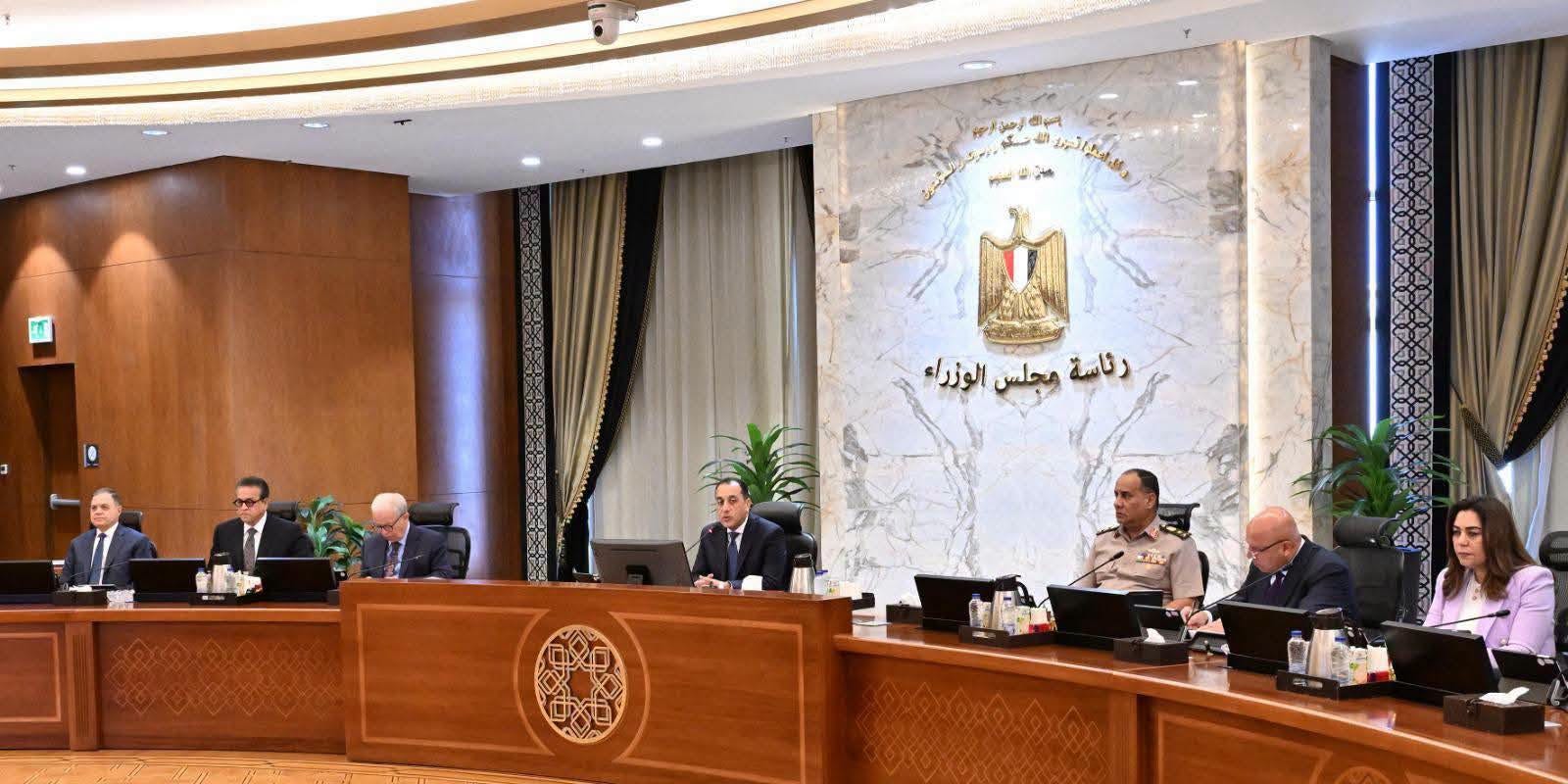
The proposals, reviewed by the cabinet during a meeting chaired by prime minister Mostafa Madbouly, would centralize the state’s existing powers to police online expression, giving authorities new technical capabilities to detect, classify and act against content deemed unlawful or harmful.
They come just one day after an Egyptian court ordered the closure of Mada Masr, one of the country’s most important news outlets, and as six journalists from the investigative platform Matsada2sh remain in pretrial detention on terrorism and “false news” charges.
The government’s plans were developed by a committee established under Prime Ministerial Decree No. 2417 of 2026, which examined legislative and technical measures to combat what officials described as “negative practices on social media that threaten Egyptian family values and social cohesion.”
Central to its recommendations is transforming the National Telecommunications Regulatory Authority’s (NTRA) existing Content Unit into a national technical center responsible for automated monitoring of online violations and identifying those behind them.
An accompanying operations room would examine flagged material, distinguish individual violations from organized or systematic activities, and recommend escalating penalties, ranging from warnings and suspension of services to website blocking and referrals to the authorities.
The committee also recommended amending Egypt’s Penal Code to increase fines for “spreading rumors and false news,” alongside a proposed Digital Safety Regulation Law intended to “strengthen the state’s role in regulating and monitoring” online platforms and manage what officials called “systemic digital risks.”
Madbouly ordered the formation of a working group to oversee implementation of the committee’s recommendations, presented by Justice Minister Mahmoud El-Sherif.
The cabinet’s published account did not specify how automated monitoring would distinguish legitimate criticism or investigative reporting from punishable content, or identify any independent mechanism for overseeing the proposed system.
Regardless, Egypt’s authorities already possess extensive powers to suppress digital expression.
Under Article 19 of Law No. 180 of 2018, the Supreme Council for Media Regulation (SCMR) can suspend or block news websites, personal blogs, and social media accounts with at least 5,000 followers over content it considers “false news” or otherwise prohibited.
The proposed monitoring center would build on that authority. According to the cabinet’s report, the NTRA’s Content Unit already serves as the state’s channel for dealing with digital platforms and implementing blocking and removal orders issued by media regulators, courts and other authorities.
The danger of concentrating additional monitoring and enforcement powers in these institutions is no longer hypothetical.
On Tuesday, the New Cairo Misdemeanor Court convicted Mada Masr editor-in-chief Lina Attalah of “operating a news website without a license,” imposed the maximum fine of 3 million Egyptian pounds (about 53,500 US dollars), and ordered the outlet’s closure and confiscation of its equipment.
Attalah was detained following the ruling and released after the fine was paid. The outlet intends to appeal.
Mada Masr has repeatedly sought licensing since 2018, but its applications were either rejected or left unanswered, and its website has been blocked inside Egypt since 2017.
And while the conviction was issued under existing media licensing legislation, rather than the measures proposed Wednesday, it nevertheless illustrates how Egypt’s regulatory framework allows the state to determine whether a news organization may legally operate, while retaining the authority to prosecute its journalists over their reporting.
The crackdown has also targeted the work of journalists who publish—primarily—through social media.
On September 28 and 29, security forces arrested all six journalists working for Matsada2sh, an investigative and fact-checking platform.
The journalists face accusations of joining and financing a terrorist organization, disseminating false news, and using social media accounts to promote it.
State Security Prosecution has yet to provide evidence, and the journalists deny the allegations.
According to the Egyptian Initiative for Personal Rights (EIPR), prosecutors questioned them about their editorial policies and published investigations without presenting any specific report containing demonstrably false information. They have also alleged that State Security tortured them, saying they were blindfolded and handcuffed for days, beaten, and forcibly stripped to extract filmed forced confessions. Some were given electric shocks, according to their legal representatives, who added that journalists described threats to harm members of their families.
On October 27, prosecutors renewed their detention for another 15 days.
Wednesday’s proposals also mark a significant expansion of the government’s digital regulation campaign, which President Abdel-Fattah El-Sisi initially advanced as a measure to “protect children from harmful online content.”
In September, the NTRA and SCMR introduced rules prohibiting independent social media accounts for children under 13 and requiring compulsory safe mode settings for users aged 13 to under 15. Platforms were also instructed to verify users’ ages and review existing accounts.
As The Cairo Report documented last month, the measures were introduced within a digital infrastructure in which security agencies hold extensive regulatory and technical powers, including privileged access to communications systems and significant involvement in state data infrastructure.

While this was the expected outcome, the latest proposals go considerably further. Unlike the September restrictions, the proposed monitoring and enforcement system is not confined to children or age verification. It encompasses online content more broadly, including material authorities regard as “threatening social values or the national economy.”
The shift also follows Sisi’s increasingly explicit treatment of social media as a national security concern.
At the government’s Egypt Forum, the president warned, multiple times, that online platforms could be used to “manipulate public sentiment, and mobilize crowds to destroy their own countries.”
Wednesday’s recommendations extend that understanding of online speech into the government’s proposed enforcement machinery.
The committee called for schools and universities to teach students about harmful social media practices and official reporting channels. It also recommended “activating” Al-Azhar, the Coptic Church, and the Ministry of Religious Endowments in promoting religious and moral values, alongside public awareness campaigns, warning messages directed at social media users, and “urging chastity of speech and righteousness of action.”
The government presented these measures as necessary for social cohesion and digital safety. Yet the same institutions tasked with determining what constitutes harmful or false content already exercise powers that have been used to block journalism, prosecute its practitioners, and threaten the existence of news organizations.
The proposed system would therefore do more than strengthen enforcement of existing restrictions. It would make the identification of potential violations systematic, placing automated monitoring at the front end of an apparatus already capable of removing content, blocking and closing websites, and referring journalists for criminal prosecution.